


A BBMRI-ERIC multimedia story for
World Health Day 2026
A story told by the BBMRI-ERIC community and curated by Mariangela Masiello, Michael Prattes, Bridget Sheehan and Eleanor Shember.


World Health Day 2026
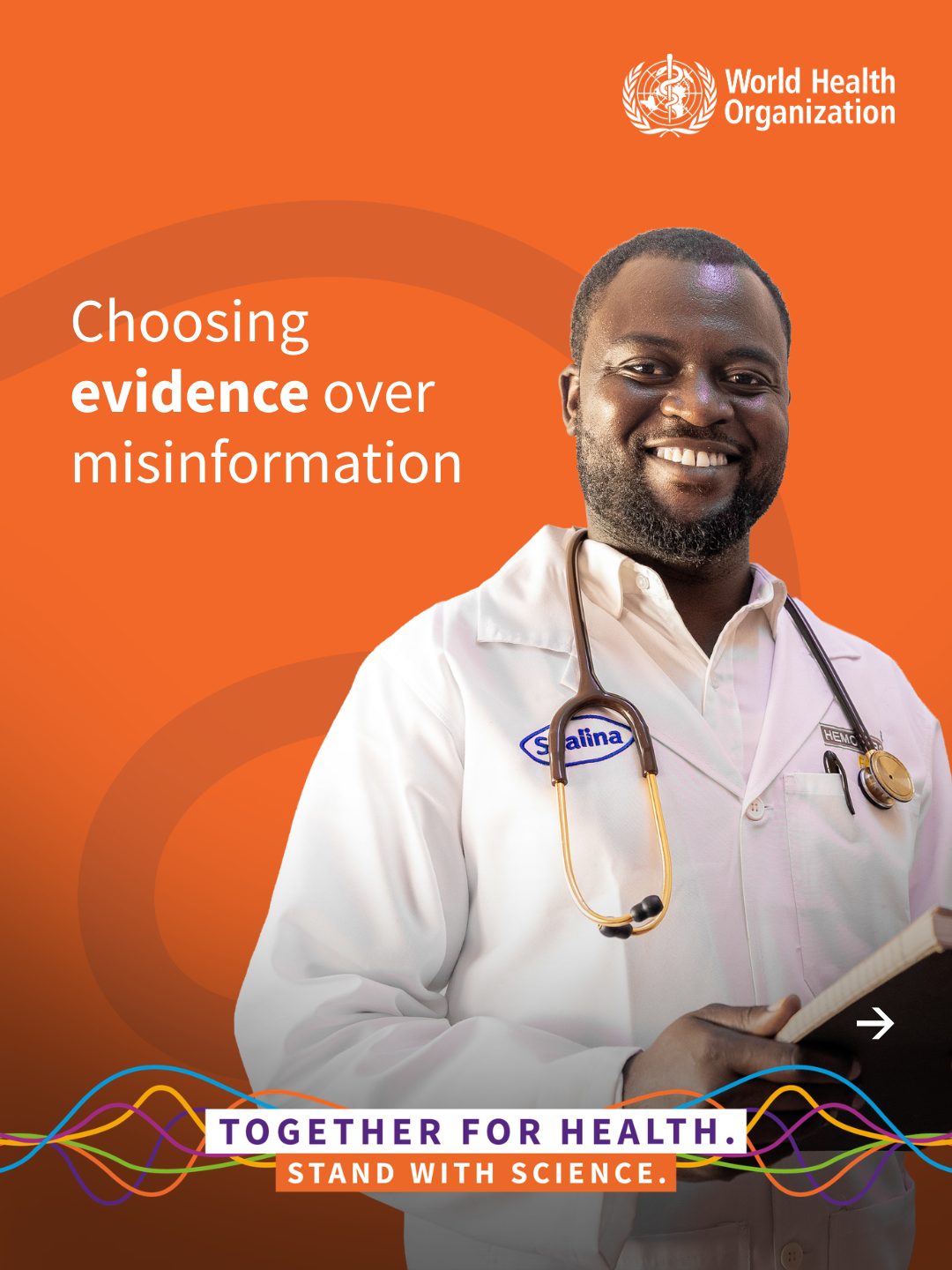
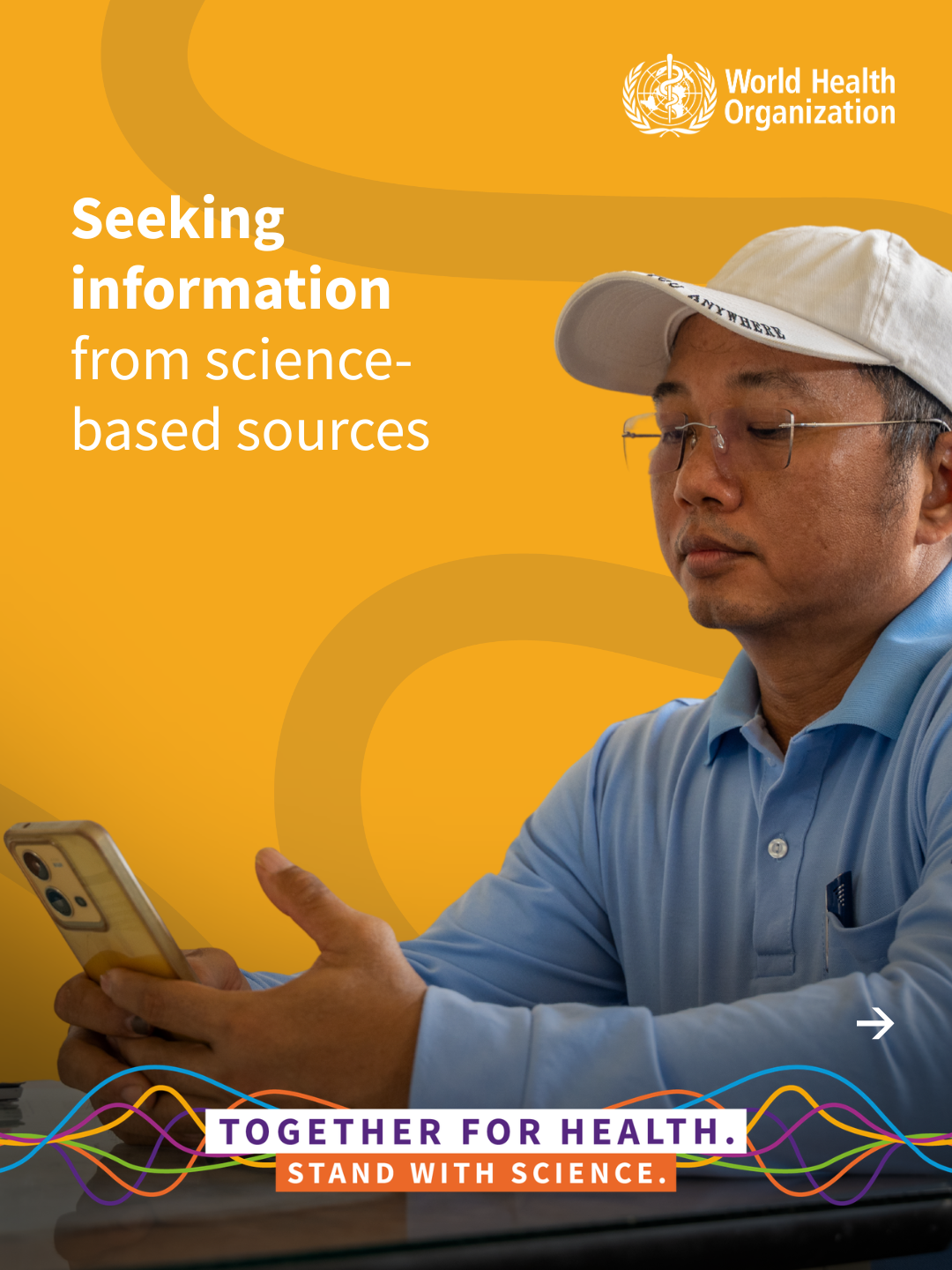
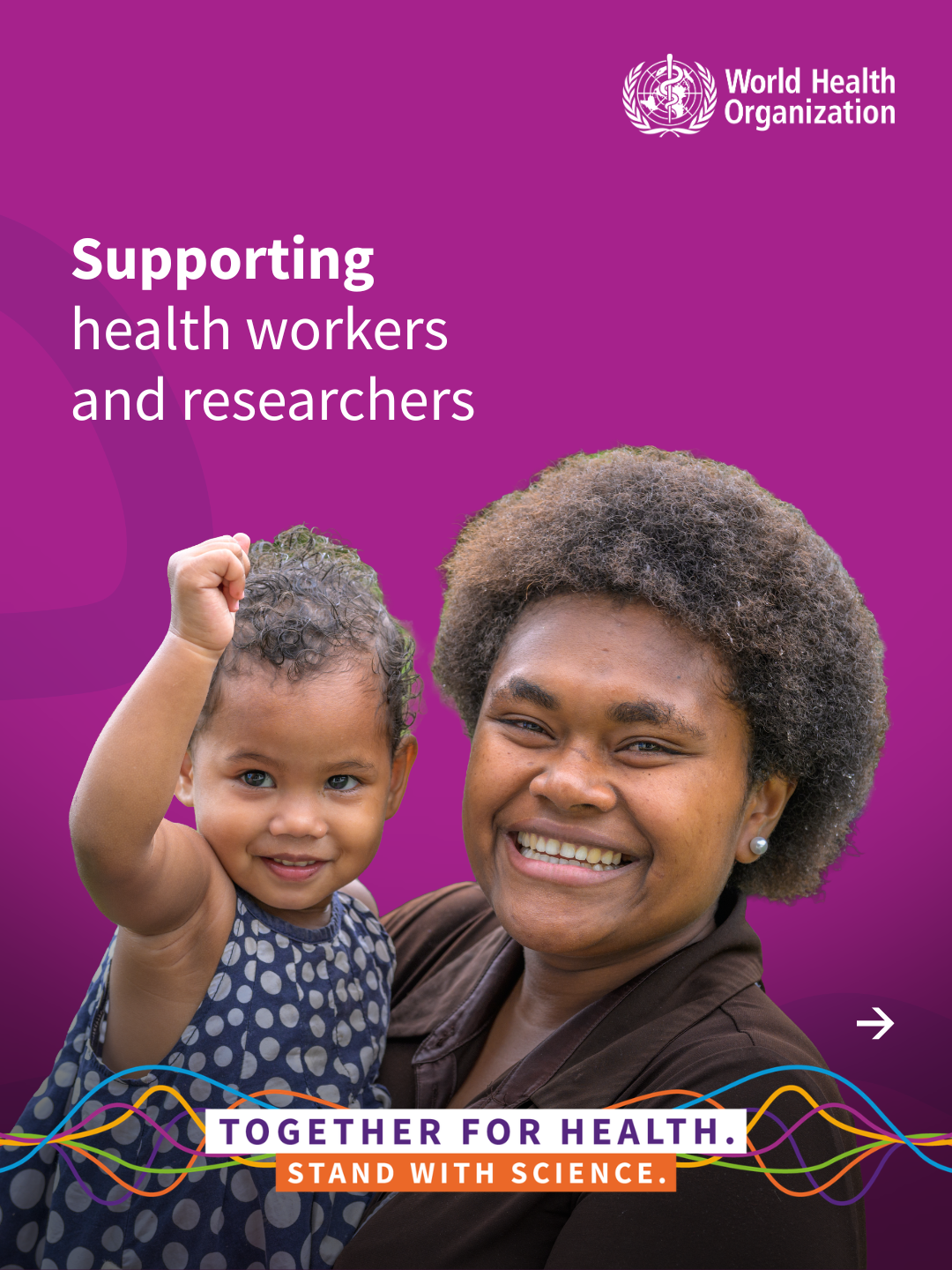
World Health Day 2026 calls on people worldwide to come #TogetherForHealth and #StandWithScience. The World Health Organization (WHO) is celebrating the power of scientific collaboration to protect the interconnected health of people, animals, plants and the planet through the One Health approach.
Science‑driven partnerships can build a healthier, safer future for all
The campaign spotlights scientific achievements and the collaboration needed to turn evidence into action. The WHO invites people everywhere to stand up and speak for science by sharing their experiences of how facts, evidence and science-based interventions improve their health and the health of their loved ones. This BBMRI-ERIC story captures examples of this following the common thread of joining forces for the benefit of society.
Learn more about the WHD26 campaign here. The call to action is crisp and maybe more important than ever before:
Call to action:
Stand with science











About BBMRI-ERIC
BBMRI-ERIC is the European research infrastructure (RI) for biobanking and biomolecular resources, one of the largest RIs in the health and life sciences.
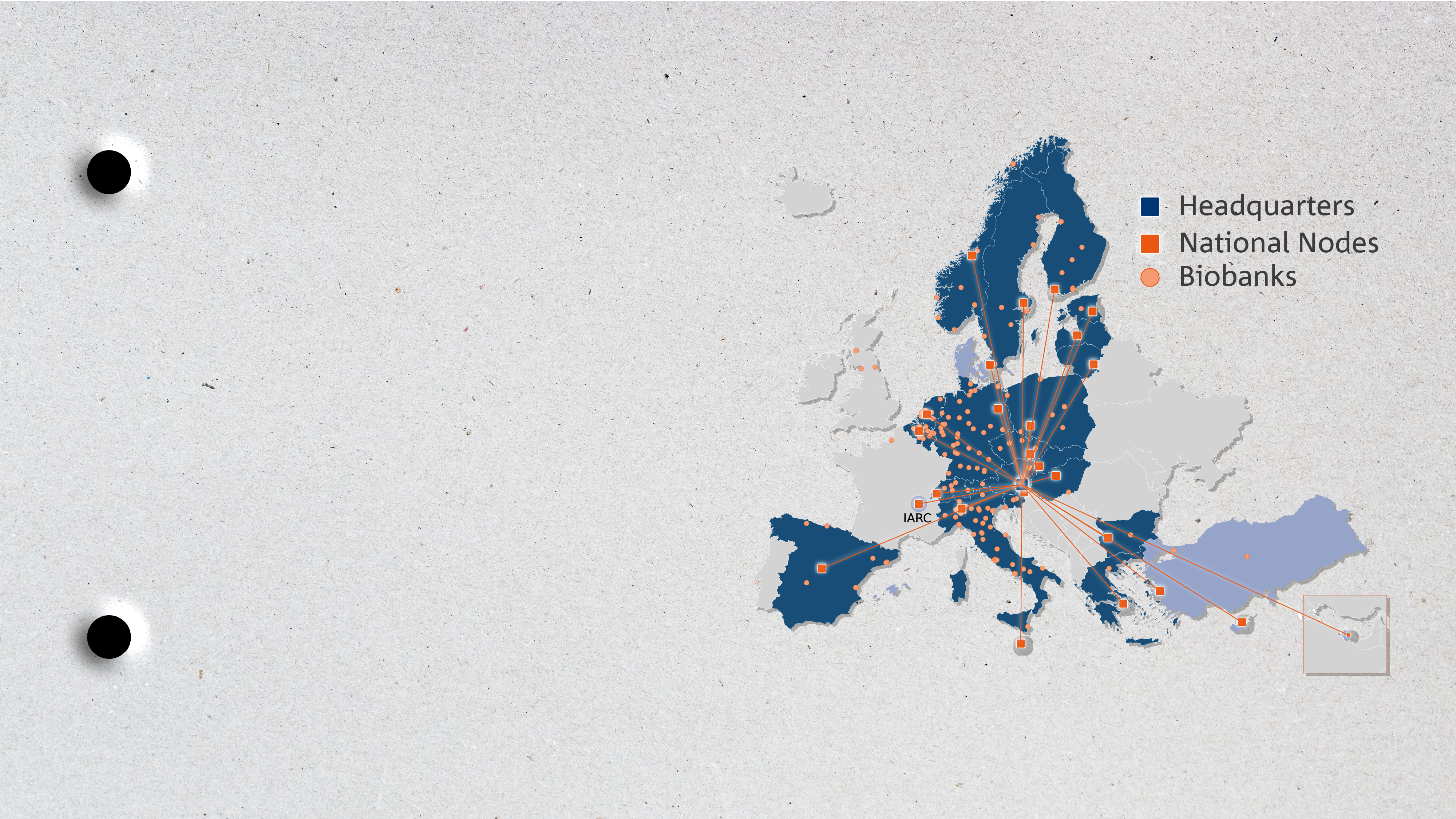
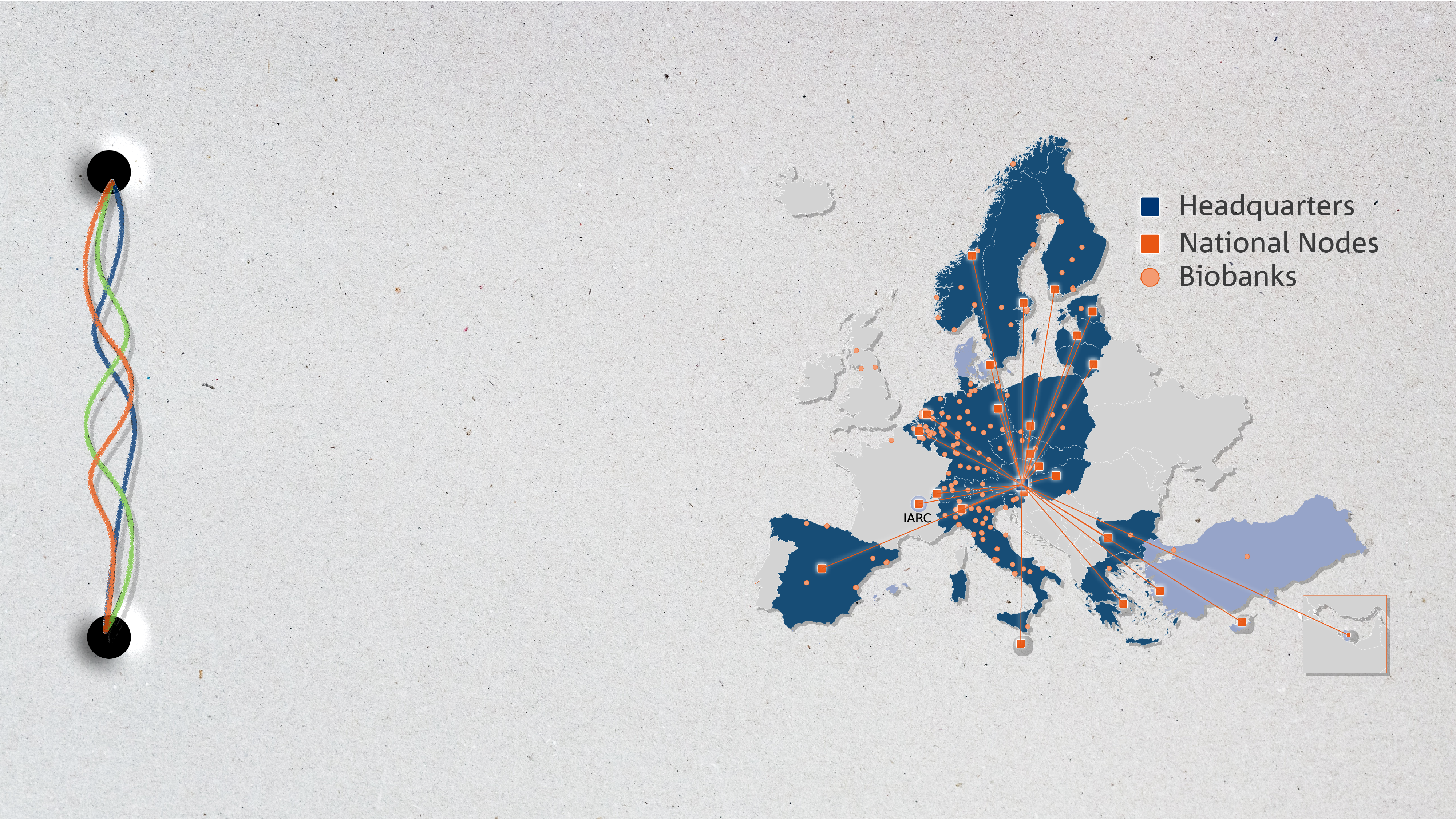
Set up in 2013, it includes around 500 biobanks within 26 Nodes from 25 Member/Observer countries plus the global organisation IARC/WHO.
BBMRI-ERIC biobanks and the National Nodes offer samples and data from over 8,3 Mio. research participants for groundbreaking research - they are searchable here.
A distributed research infrastructure, BBMRI-ERIC successfully develops multidisciplinary expertise and implements cutting edge services for the biobanking community that includes clinicians, researchers, biobankers, industry, patients and citizens.
BBMRI-ERIC’s vision is that “by unlocking the potential of biobanking and biomolecular resources, BBMRI-ERIC inspires the best research to benefit patients, the public and the planet.”
This is simplified as: “Biobanking for a healthier world”.


Living ABC of Lithuania
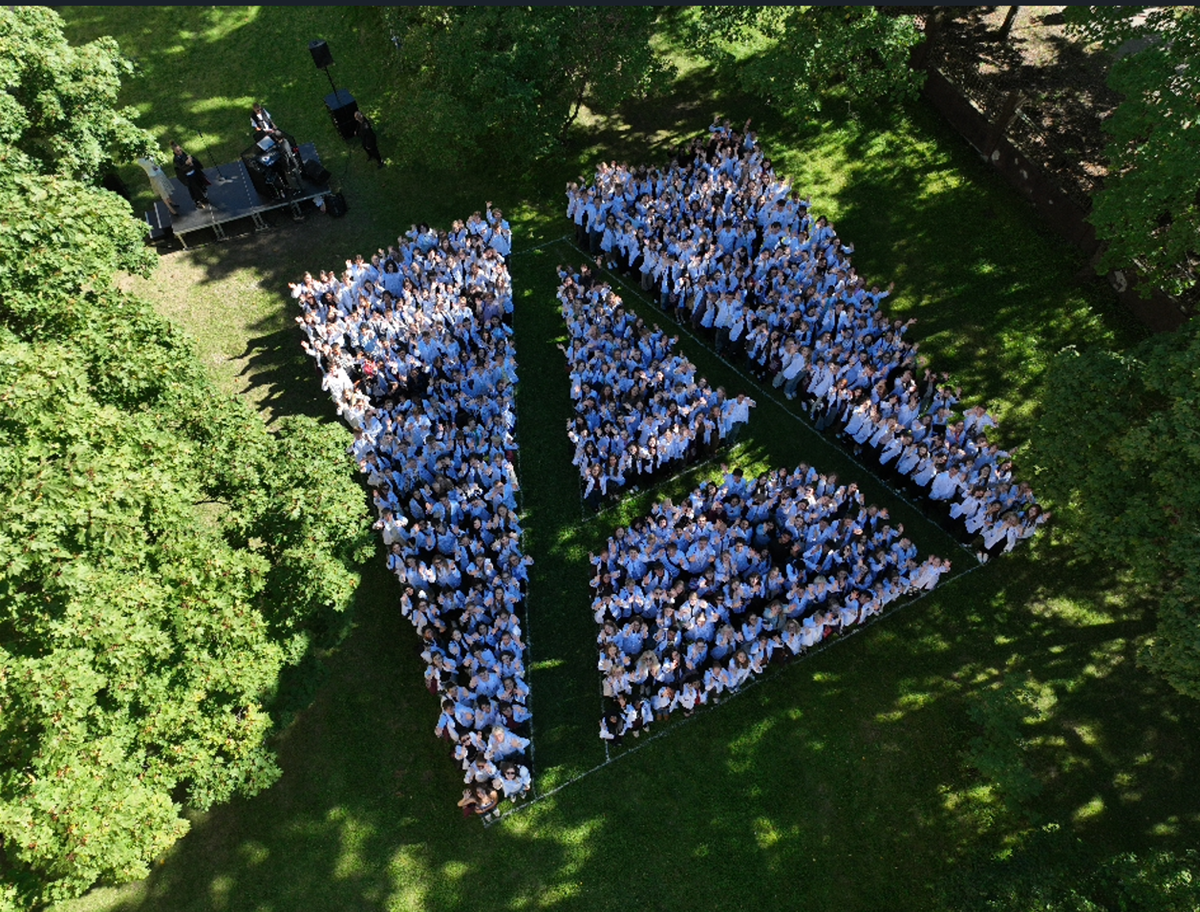
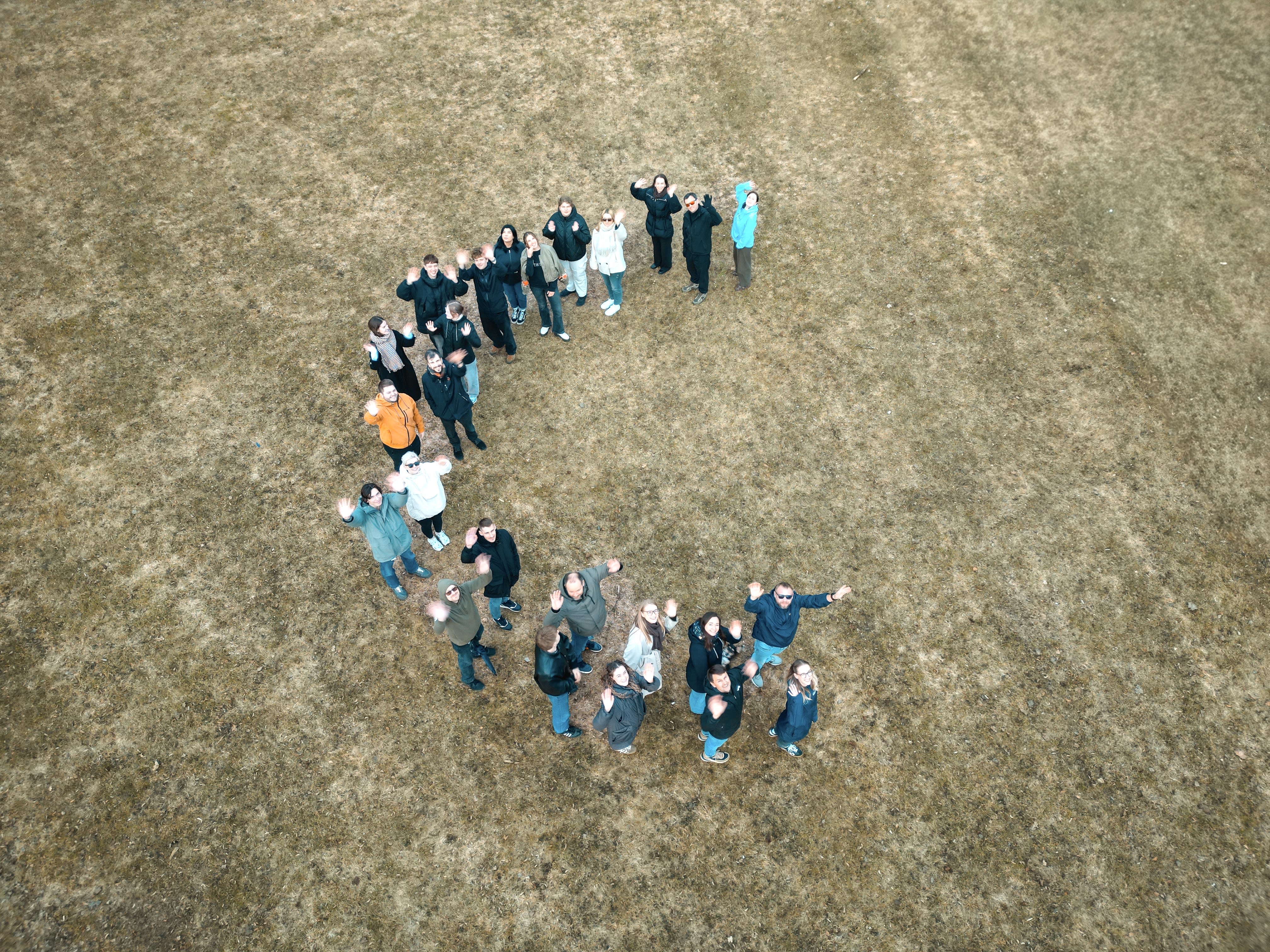
When members of the Biobank of Lithuanian Population and Rare Disorders, part of BBMRI.lt, imagine what it means to stand #TogetherForScience, they take it quite literally. Their campaign Living ABC of Lithuania encourages the country's residents to come together for a meaningful task: to donate a blood sample to the only population biobank in the country with the goal of contributing to a healthier Lithuania. The campaign turns everyday people into active contributors to medical research. In addition to donating a sample, participants are invited to form a team and choose a letter of the national alphabet to collectively represent the initiative.
Dr. Giedrė Kvedaravičienė, Director of the Biobank of Lithuanian Population and Rare Disorders, explains the symbolism of a whole country uniting behind a single scientific cause:
'Every letter in the alphabet is important and irreplaceable. Just as all of Lithuania is important to the Biobank – every one of its residents.'
The campaign culminates in an exhibition displaying all the letters, celebrating the social responsibility of those who supported the cause and showing the power of society in making personalised medicine possible.
The initiative forms part of the long-term development of the Biobank, expanding and diversifying its collections to meet emerging research needs, including planned longitudinal studies on women’s and children’s health. At the same time, through national and international collaborations, it is strengthening its capacity to provide high-quality samples and data, supporting research into complex diseases and enabling innovations such as New Approach Methodologies (NAMs); methods designed to evaluate safety and efficacy while reducing reliance on animal testing.
You can find more detailed information about the collection of the Biobank of Lithuanian Population and Rare Disorders in the BBMRI-ERIC Directory.

VU MF first-year students
VU MF first-year students

Adform
Adform

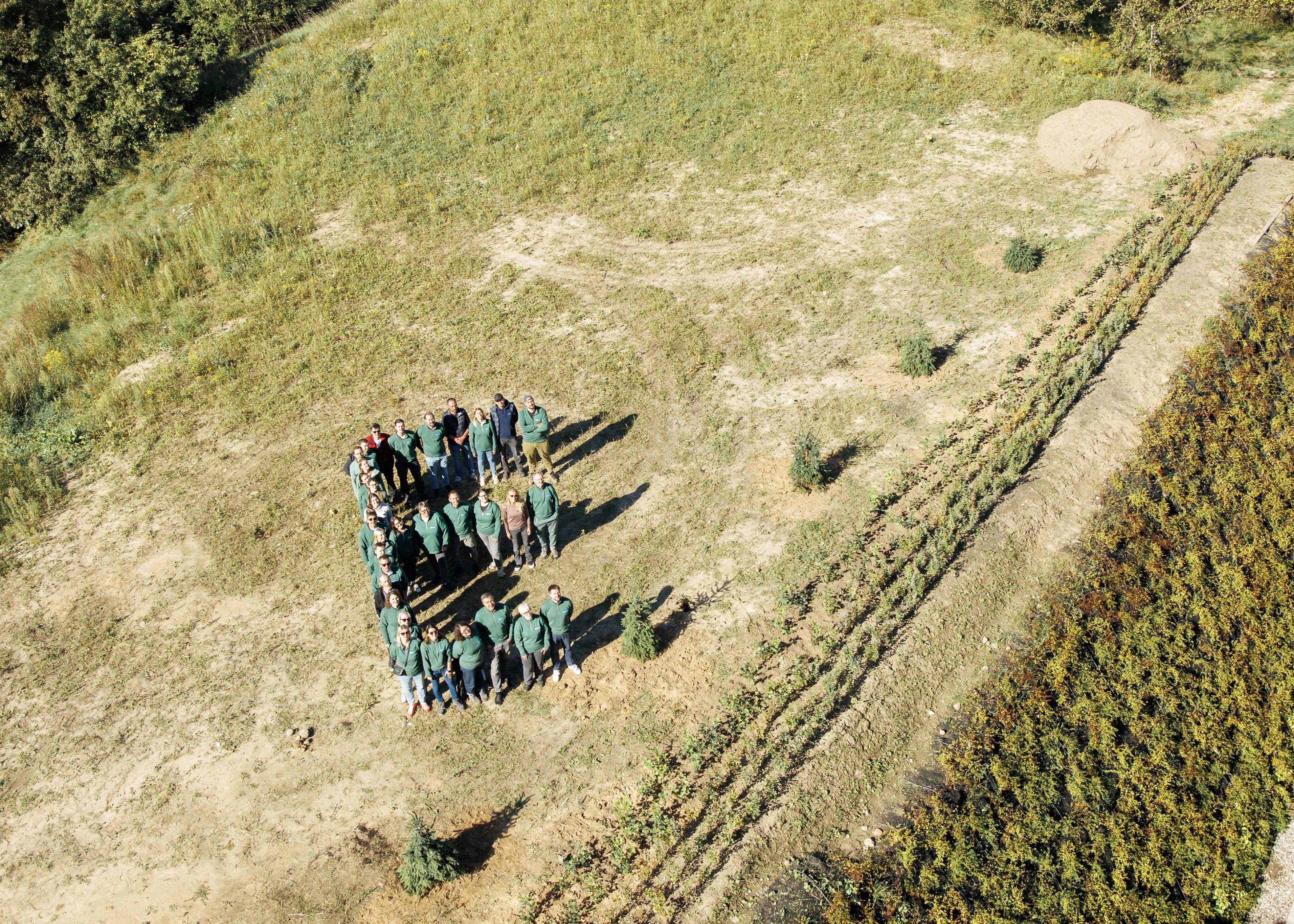
EIKA
EIKA

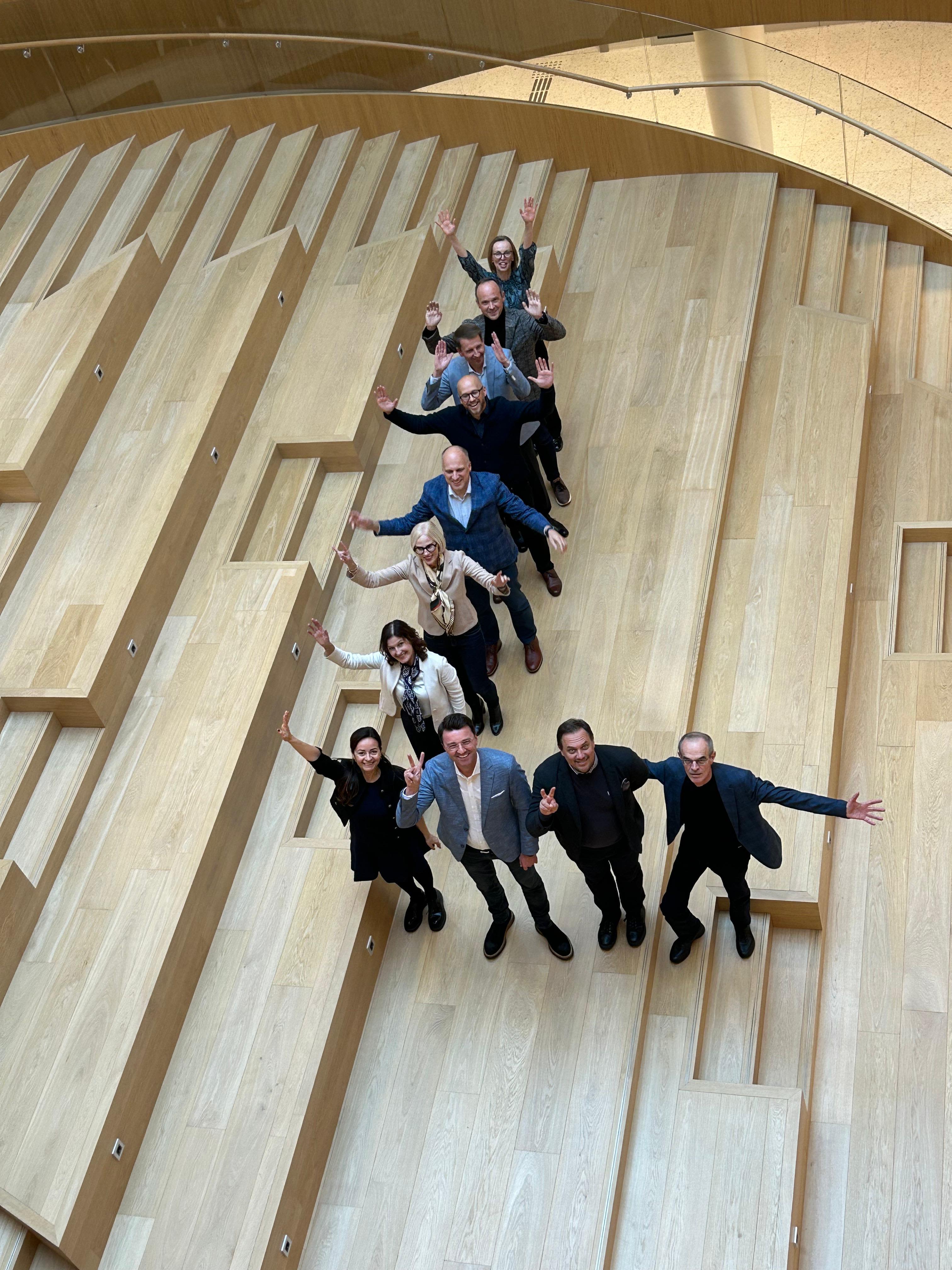
Local American Working Group (LAWG)
Local American Working Group (LAWG)


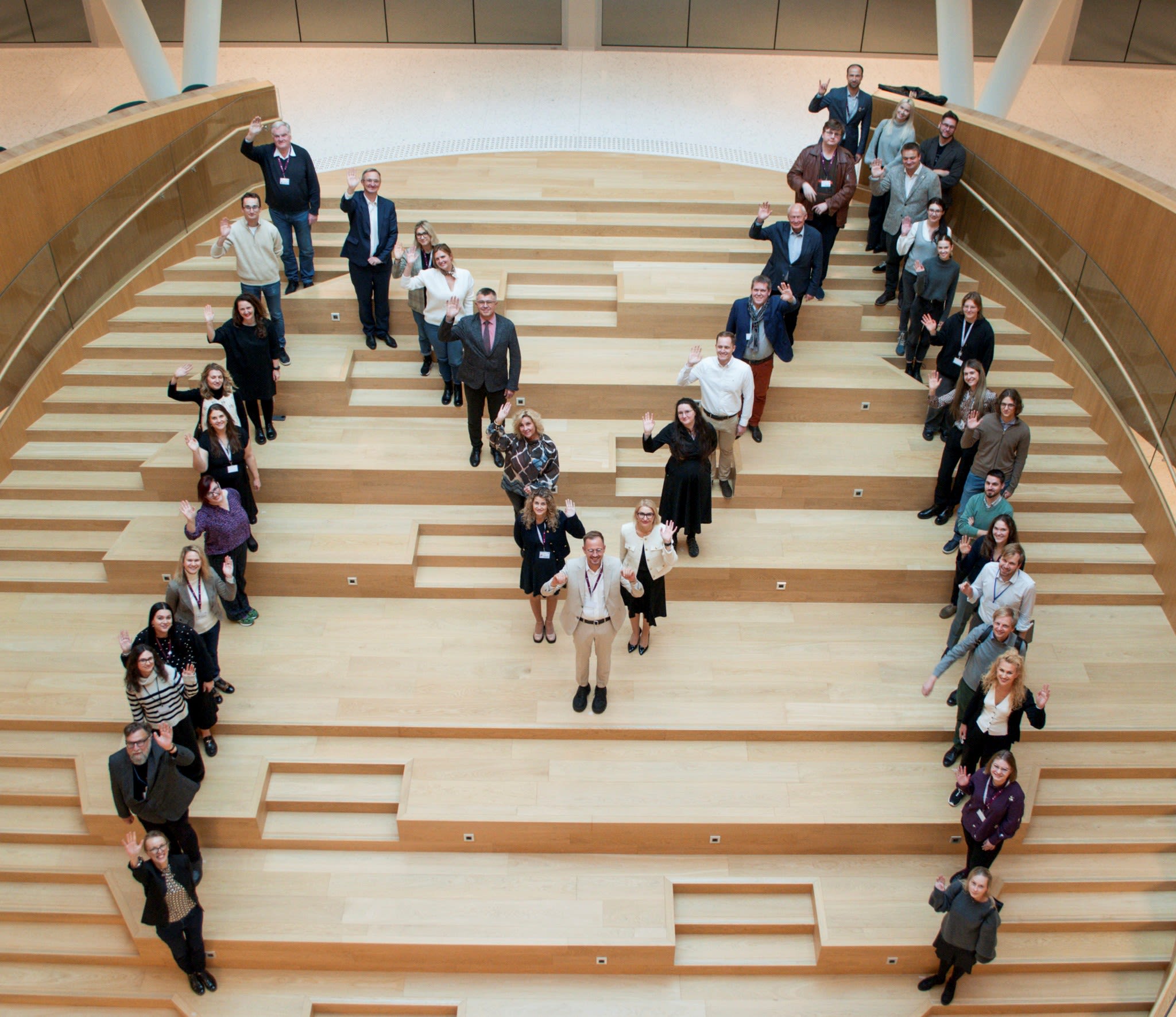
Translational Health Research Institute
Translational Health Research Institute


Nasdaq
Nasdaq

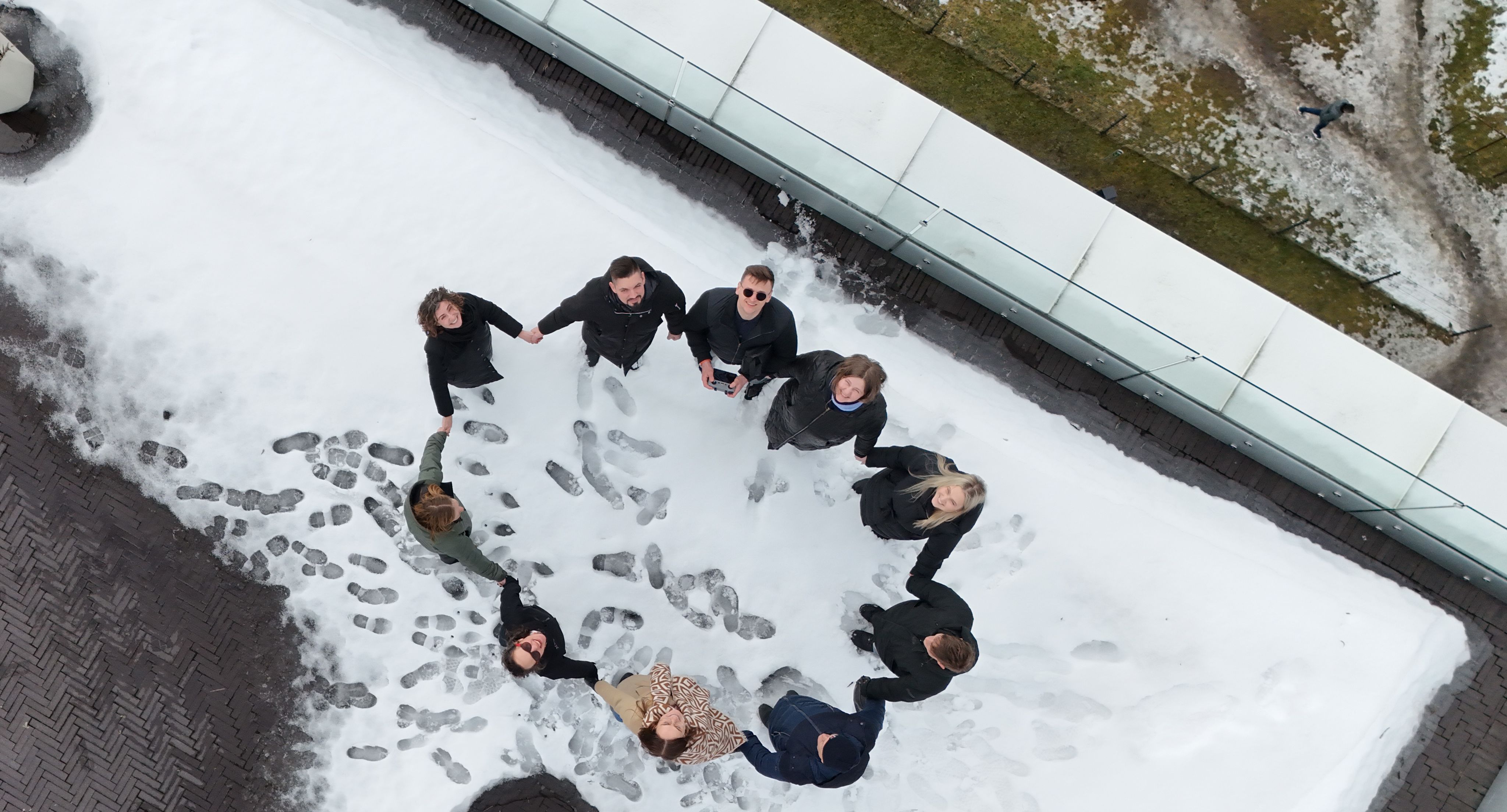
Idex Baltic
Idex Baltic

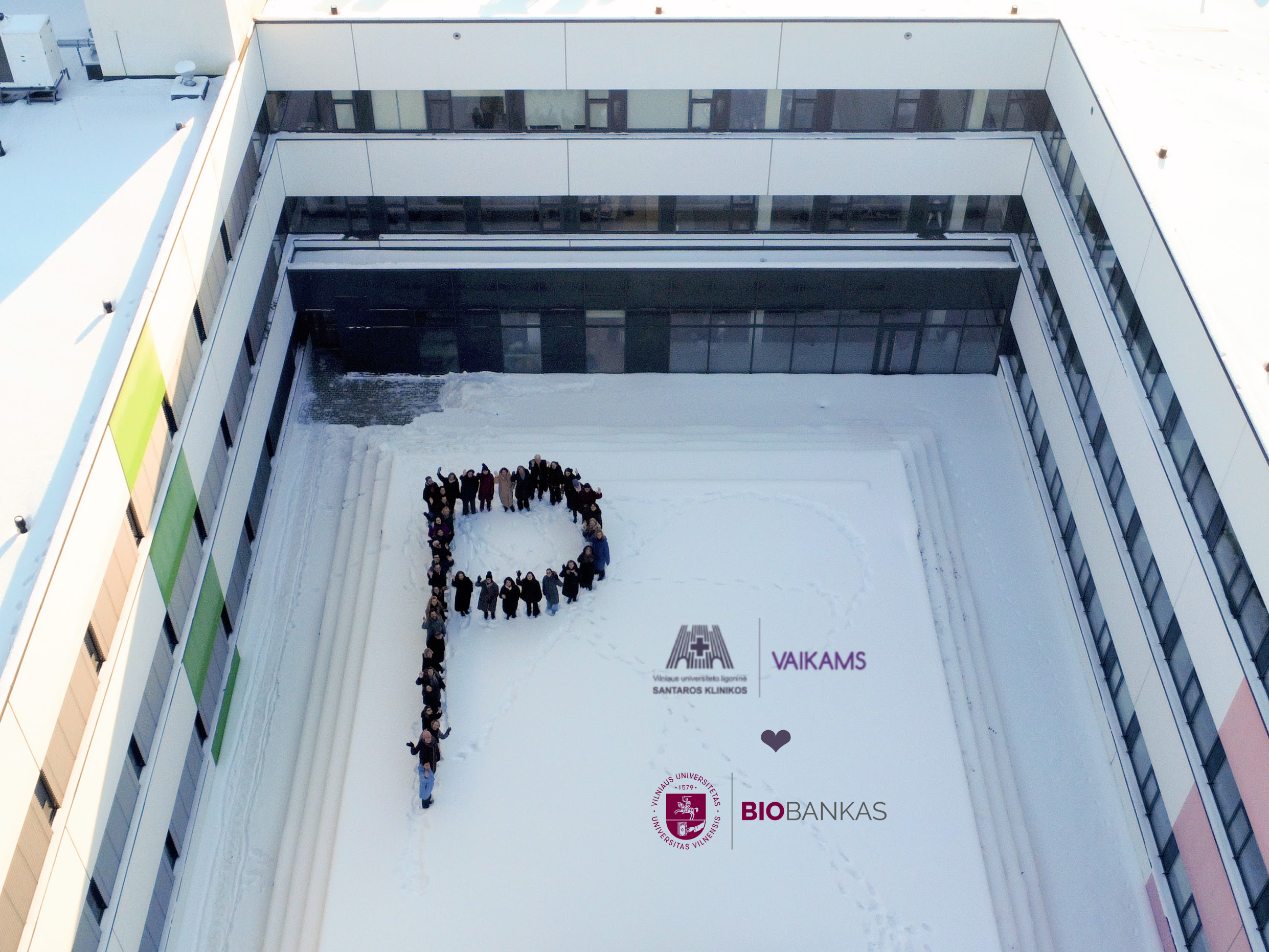
Pediatricians of VU Hospital Santaros Klinikos
Pediatricians of VU Hospital Santaros Klinikos

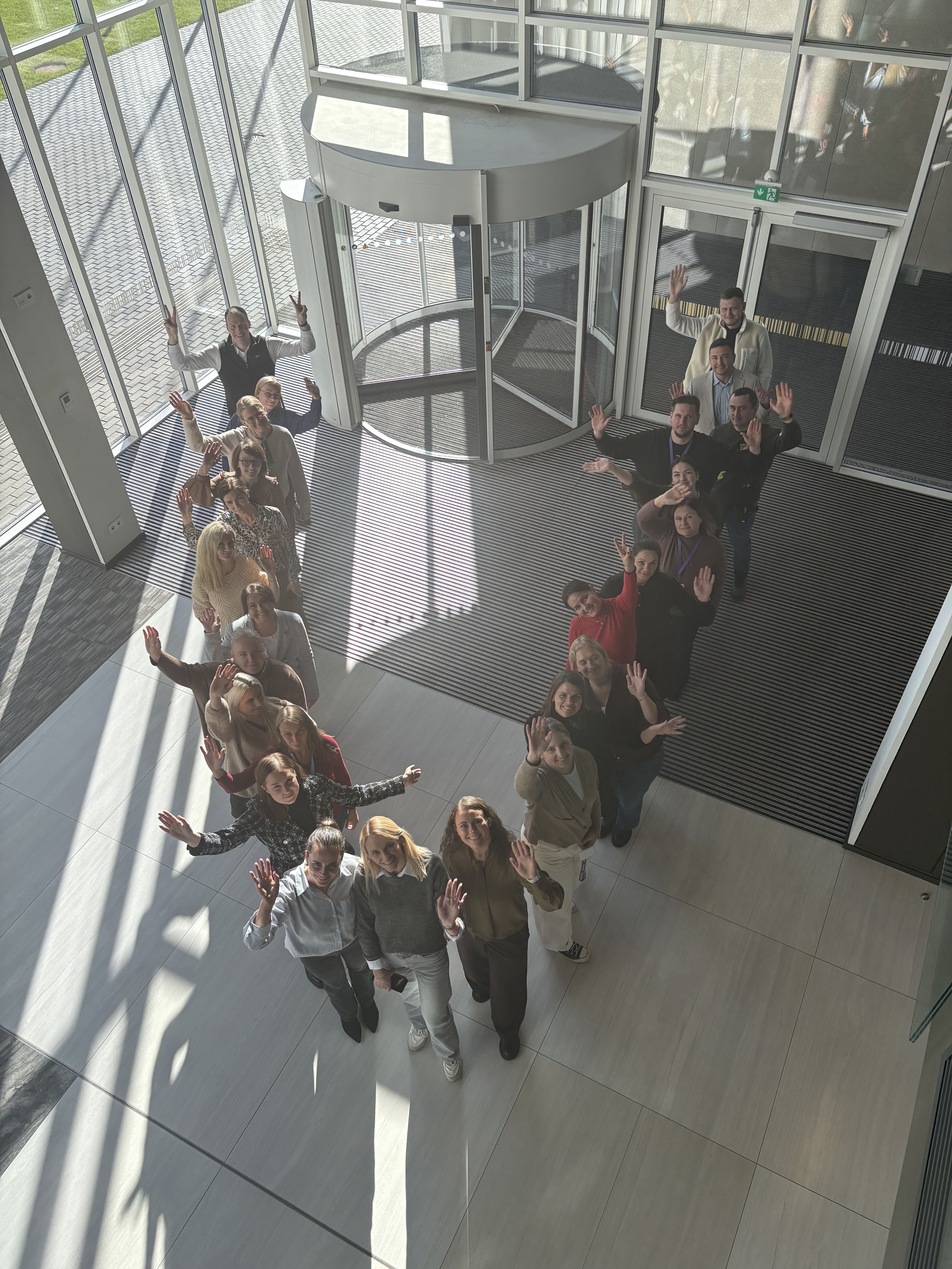
Venipak
Venipak


Cohorte Cantabria (Spain)
Cohorte Cantabria (Spain)

Cohorte Cantabria
From nationwide public engagement in Lithuania, our story of collaboration moves to regional population research in Spain.

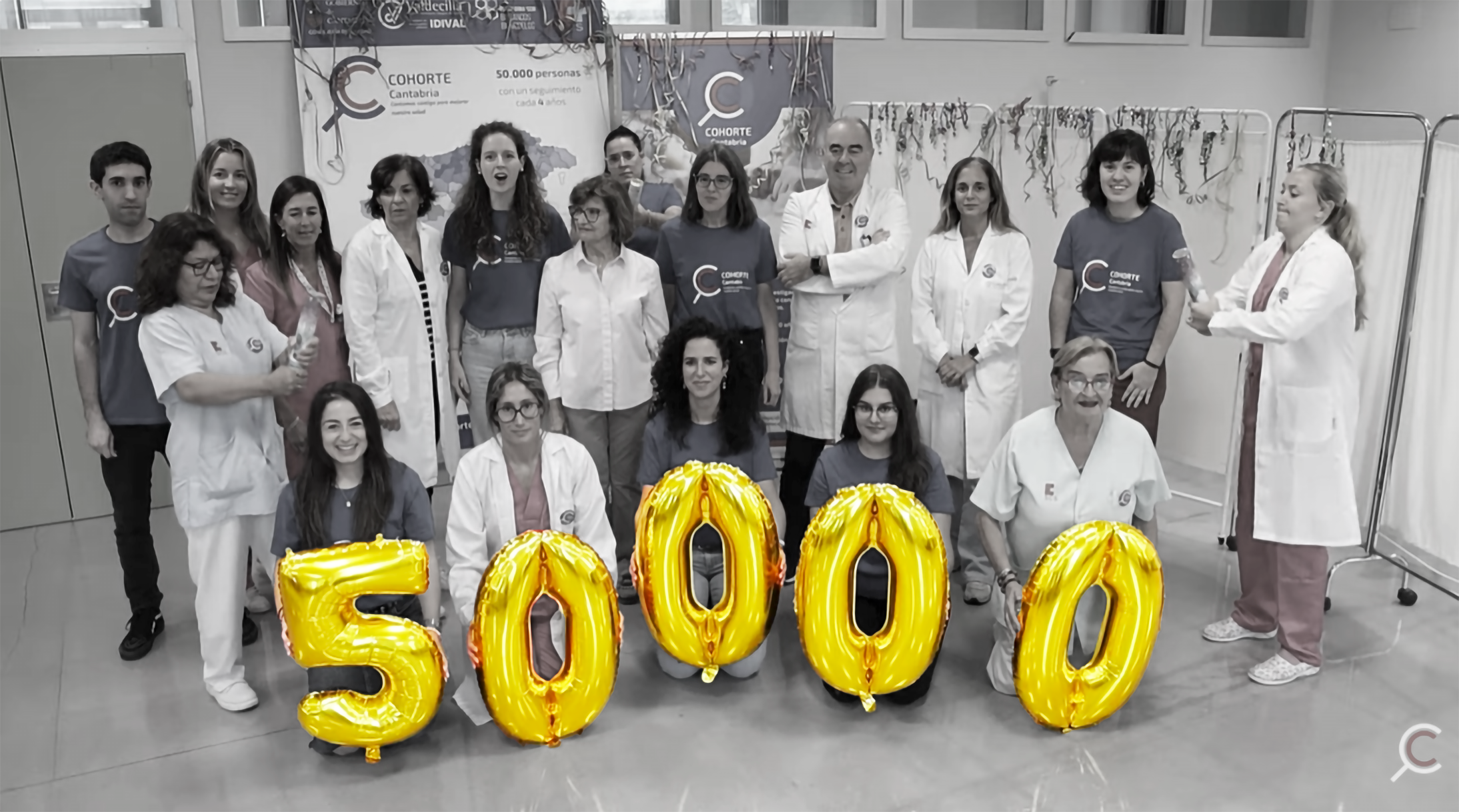
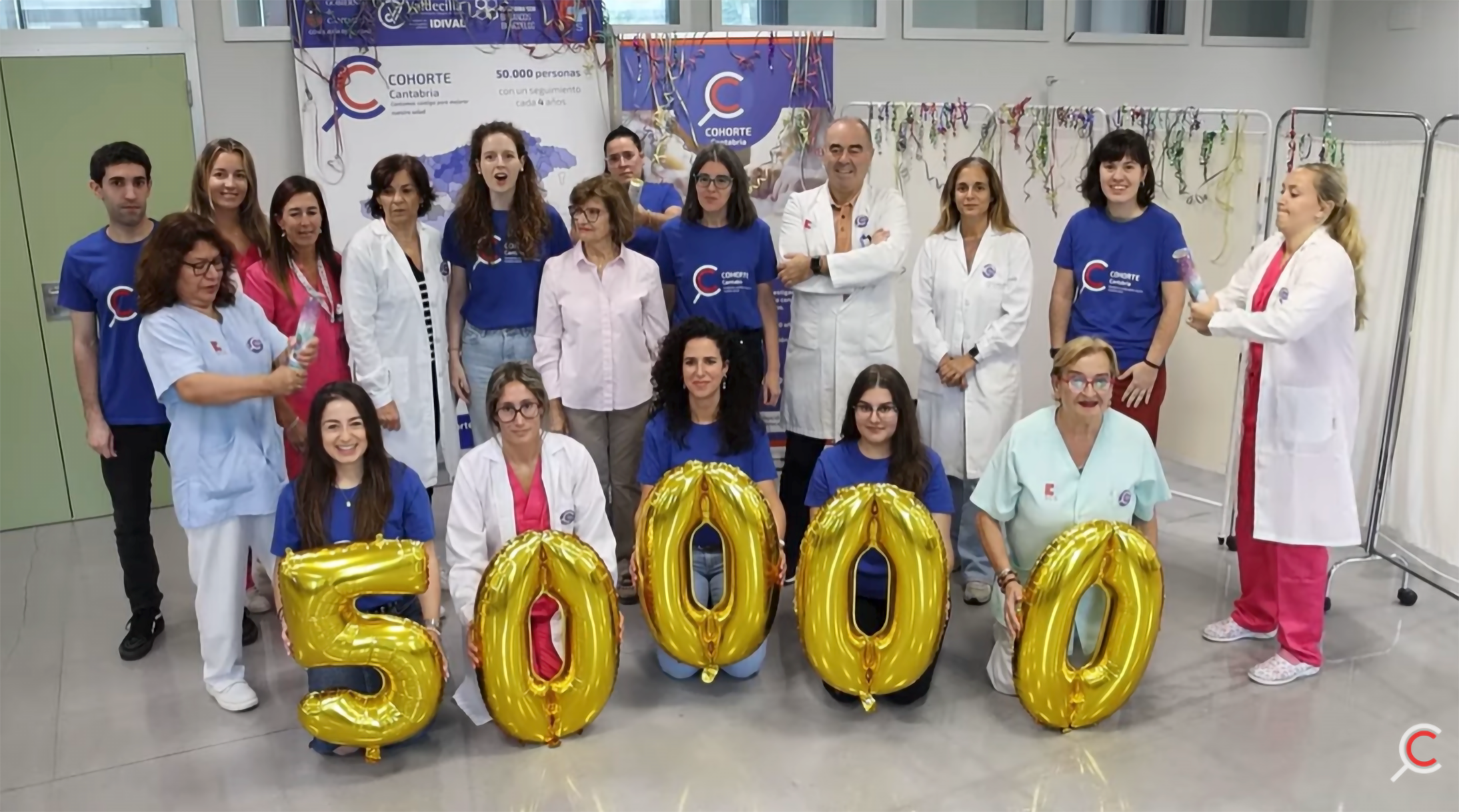
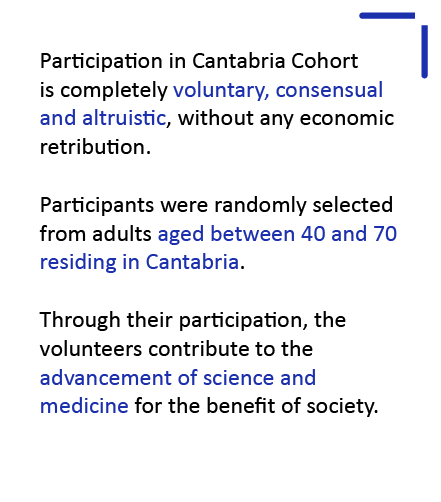
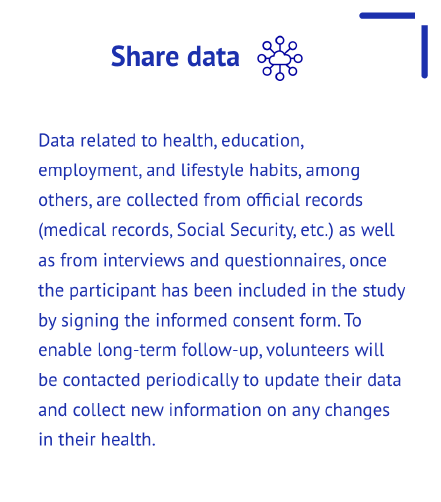
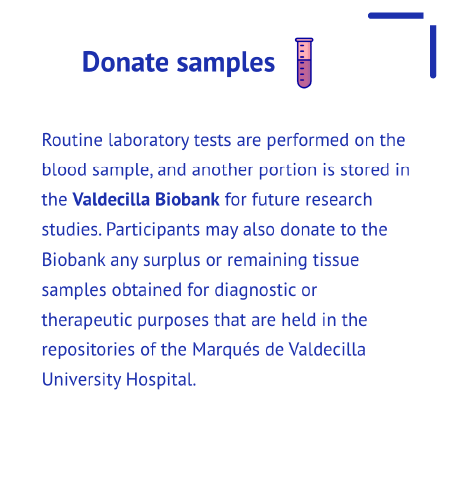
Cohorte Cantabria is a population-based health research project managed by Valdecilla Research Institute (IDIVAL), part of BBMRI.es, and the Marqués de Valdecilla University Hospital (HUMV). The project is designed to advance precision medicine through the collection of health data and biological samples. The cohort focuses on adults aged 40 to 70 years and integrates clinical information, lifestyle and environmental data and biospecimens to support biomedical research. In October 2025, the initiative reached its recruitment goal of 50,000 participants.
Approximately 20% of the target population participate in Cohorte Cantabria. This makes it a powerful example of regional scientific engagement reflecting strong public trust and effective community outreach.
Several research projects already draw on the data and samples, which benefit not only society but also individual participants. All participants received thorough health screenings and in the event of detecting any significant abnormalities in their results, the team contacted them. Presently, the team is actively diagnosing and supporting participants with conditions such as hepatitis B/C or HIV infections, liver fibrosis and haematological diseases like anaemias.
This spring, the follow-up phase of the project will begin. More than 50,000 participants will return to Cohorte Cantabria to repeat medical tests, provide a new blood sample for use in future research projects and update information on lifestyle habits and other relevant data through new questionnaires. Notably, participants have played an active role in shaping these questionnaires by providing valuable feedback to improve them.
Cohorte Cantabria is a prime example of how biobanks are not only repositories of samples, but active enablers of teamwork who can strengthen research ecosystems and deliver benefits for population health.
You can find more details on the Cohorte Cantabria collection in the BBMRI-ERIC Directory.





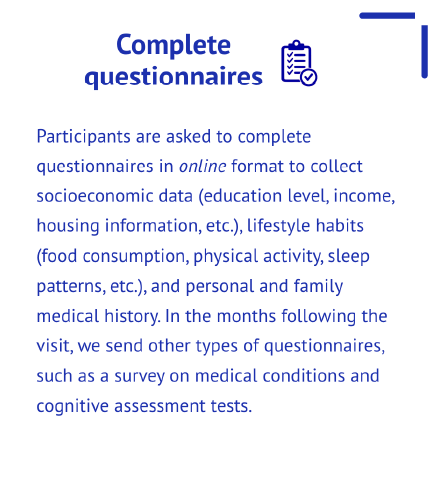





CYPROME: The Cyprus Human Genome Project
Our story’s focus now expands from regional cohorts to a genomics initiative with national scale. The Cyprus Human Genome Project (CYPROME), implemented by the biobank.cy Center of Excellence (part of BBMRI.cy), partners scientists with participants to map the genetic architecture of Cypriot DNA and build a comprehensive reference genome for the island.
The study has already identified actionable findings in 5% of the population, meaning findings for which clear medical steps, such as monitoring or treatment, can be taken. These results highlight the potential of such initiatives to advance personalised medicine, refine diagnostics, improve disease prevention and support evidence-based healthcare planning. Importantly, they also demonstrate the role of the biobank.cy Center of Excellence as the core national infrastructure enabling the implementation of large-scale genomics initiatives in Cyprus.
As Dr. Gregory Papagregoriou, geneticist and molecular biologist and lead scientist at the biobank.cy Center of Excellence explains:
“Each person bears their own genetic imprint, their own genetic character. Hence, a disease might behave differently or be triggered in a very specific way in that person. What we are trying to do now is, first of all, identify at a population level these subtle variations in the DNA.”
Listen to Dr. Dionysios Fanidis, PhD, biomathematician at the biobank.cy Center of Excellence and Anna Argyrou, participant in the initiative, as they discuss their roles and how the people of Cyprus are contributing to building a healthier future.
Explore bbmri.cy in the BBMRI-ERIC Directory.


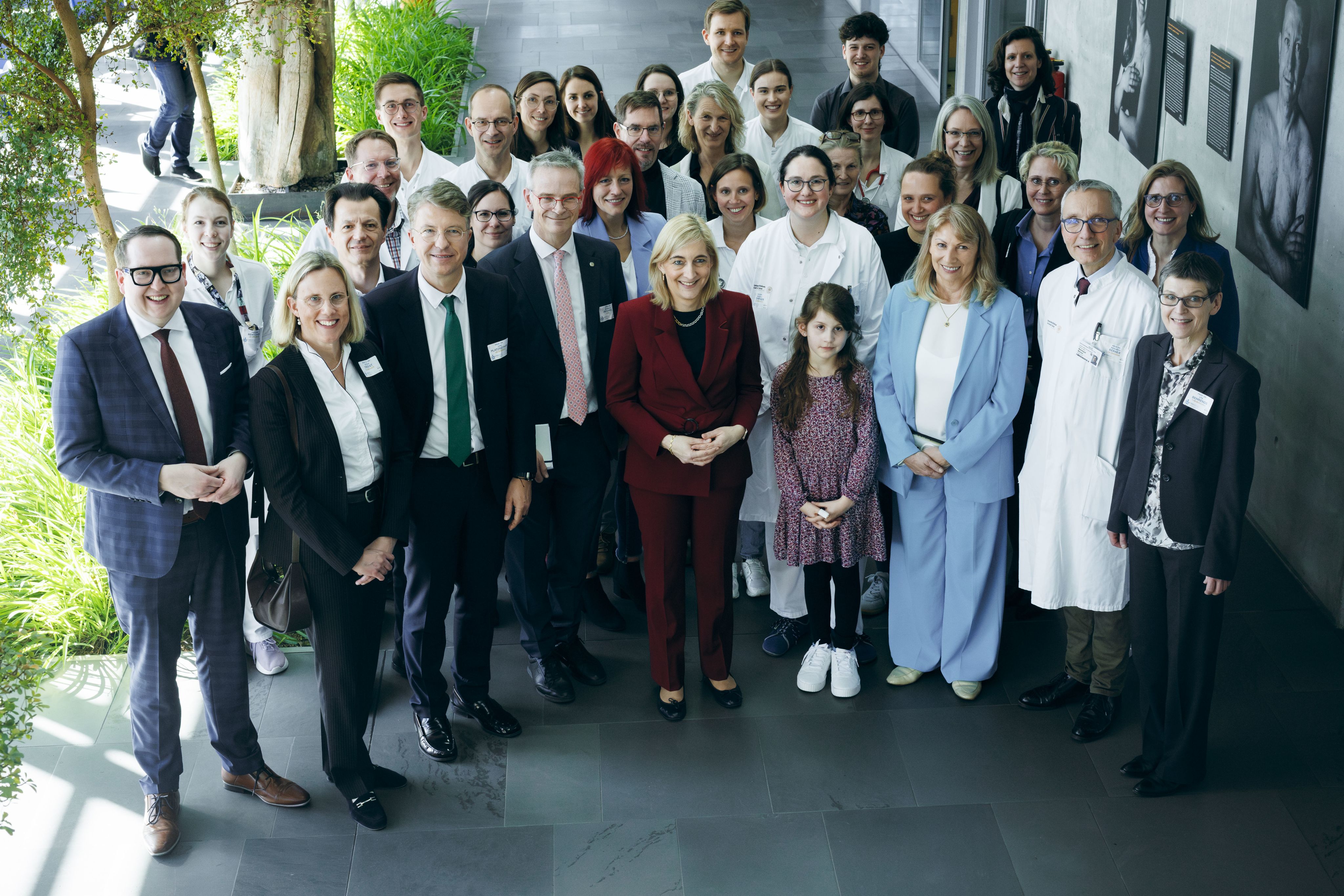
The Two-centre biobank at FREEZE Freiburg and Central BioBank Dresden – Germany
#TogetherForScience is also evident in Germany where two biobanks - FREEZE Biobank in Freiburg and Central BioBank Dresden (both part of BBMRI.de) - collaborate to support research into post-acute infectious syndromes like Long COVID and chronic fatigue syndrome (ME/CFS) in young people in Germany.

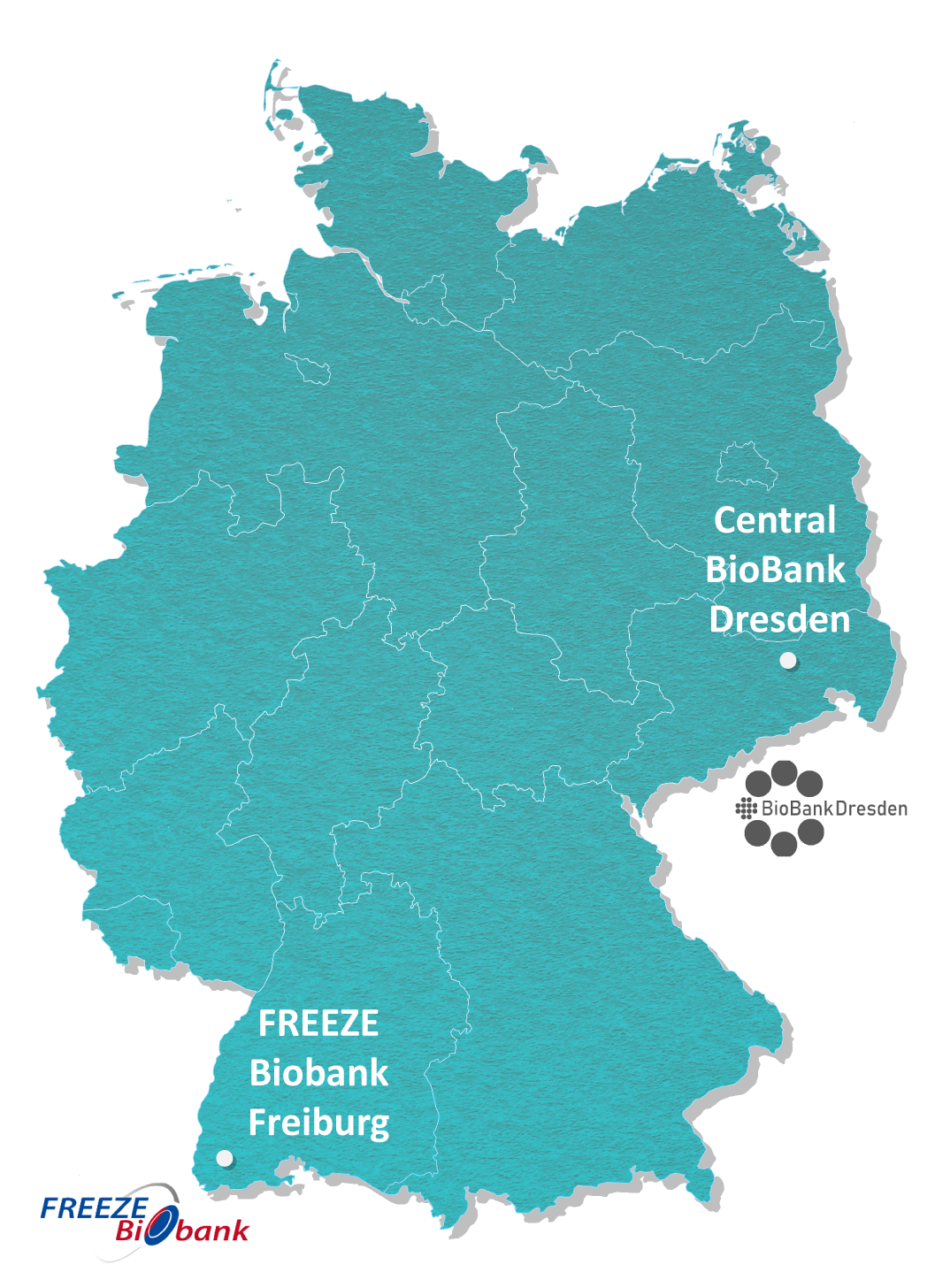
This centralised national set up is part of PEDNET-LC, an interdisciplinary paediatric network dedicated to wider research and care of children and adolescents with Long COVID-like illnesses. These include post-infectious diseases caused by SARS-CoV-2, influenza virus, Epstein-Barr virus (EBV) and other pathogens.
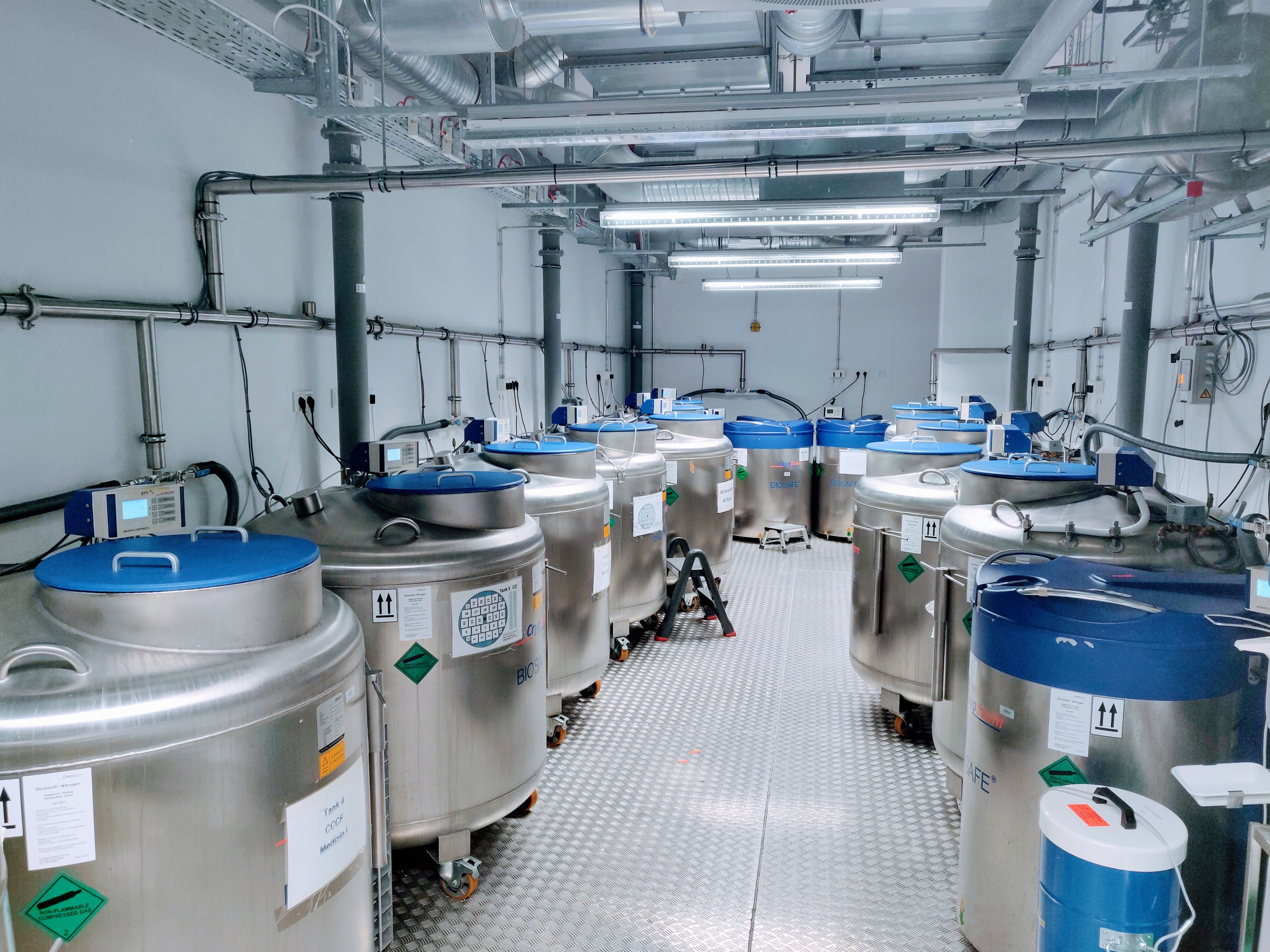
The biobanks collect a wide range of samples (from serum and blood to mouth swabs, urine, hair and nasal secretions) linked to a patient registry for deeper clinical insight. Since launching in 2025, more than 5,500 bio samples from over 250 patients have been collected, with plans to expand to 2,000 patients and over 40,000 samples.
Identifying biomarkers for these conditions, which place a substantial burden on this young population, is a key priority to identify disease mechanisms that could pave the way for therapeutic options. The close coordination between the FREEZE and Central BioBank teams has been central to rapidly establishing this national resource.
More information about FREEZE Biobank and Central Biobank Dresden can be found in the BBMRI-ERIC Directory.

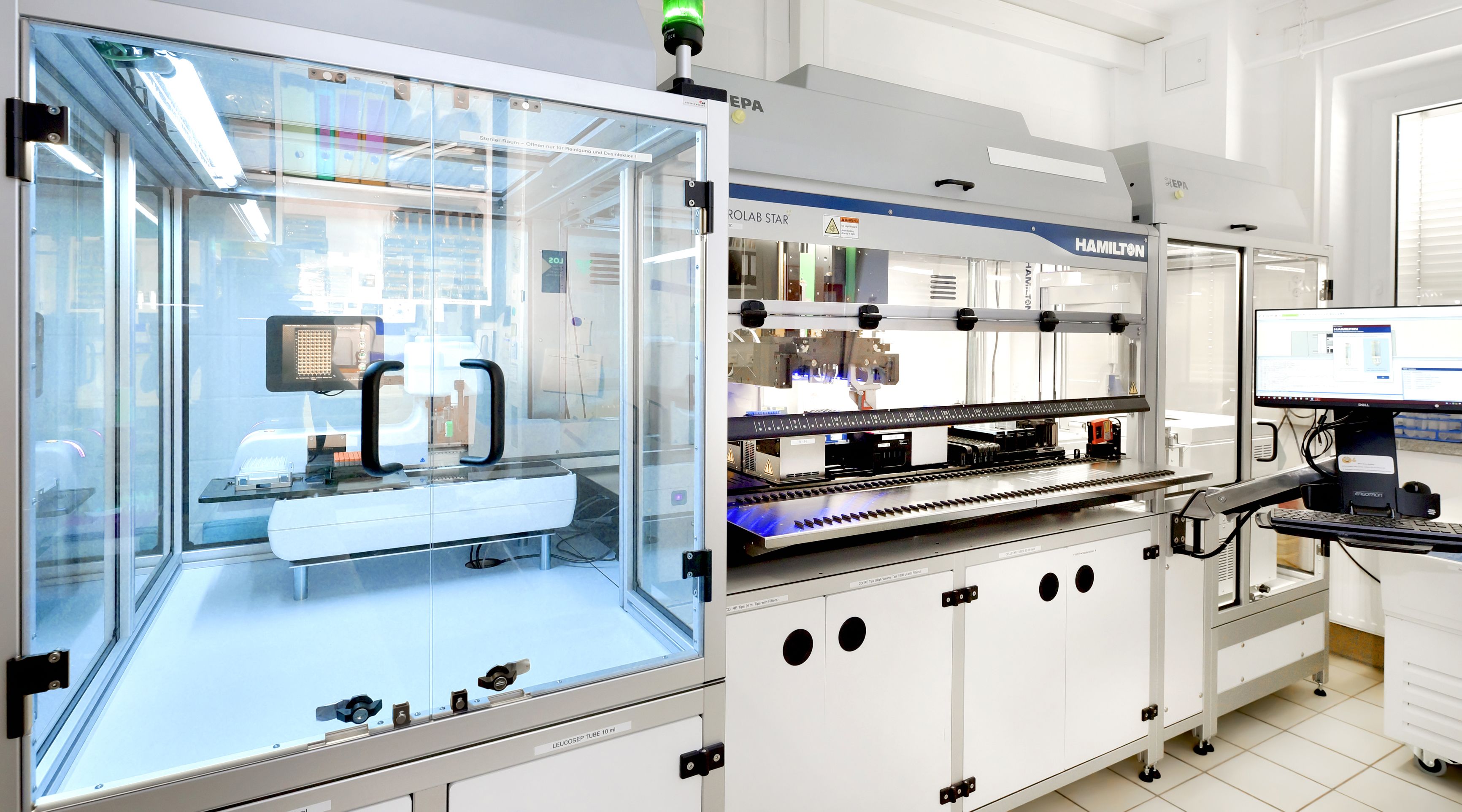
Robotik Pip
Robotik Pip

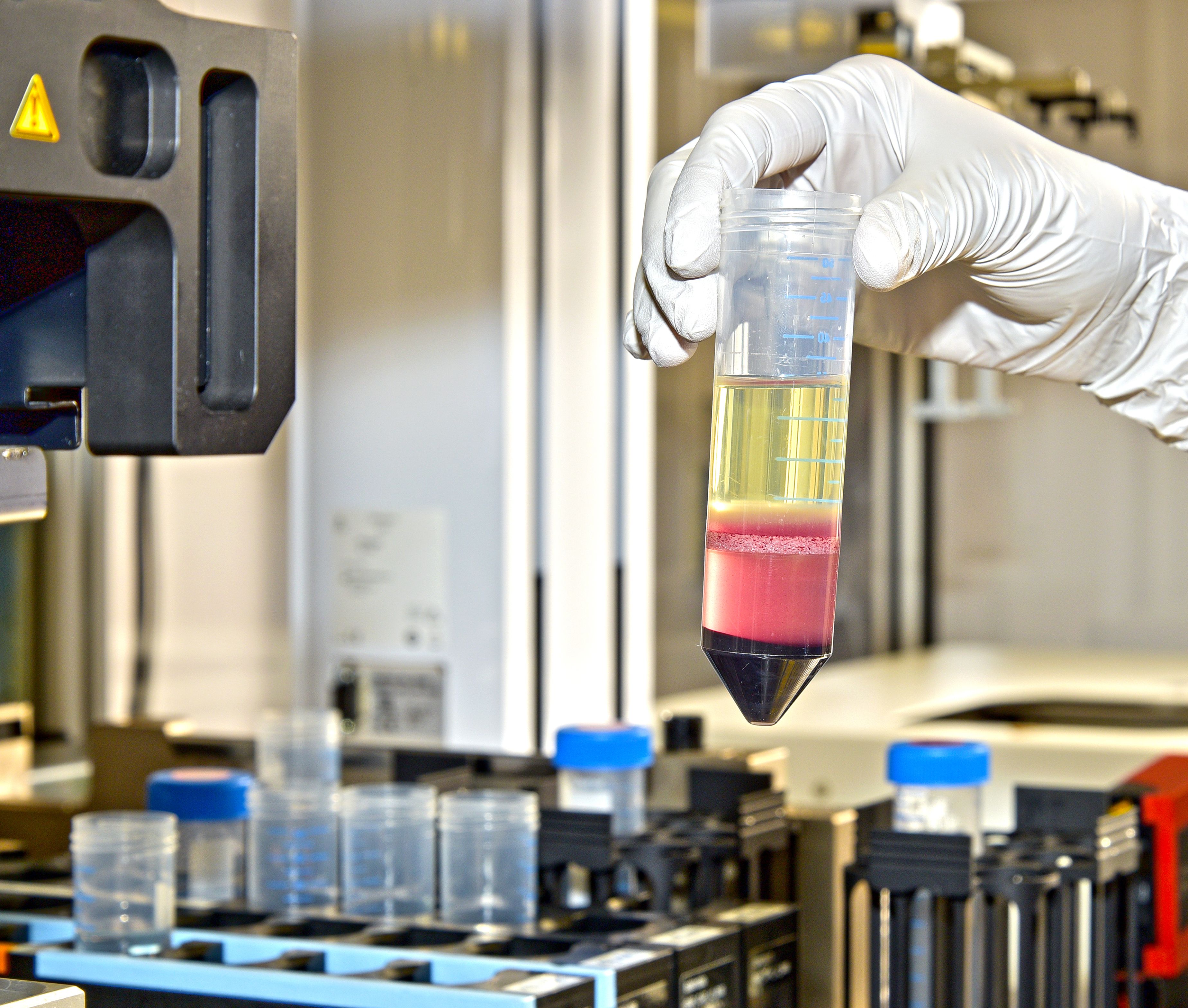
separation of cells
separation of cells


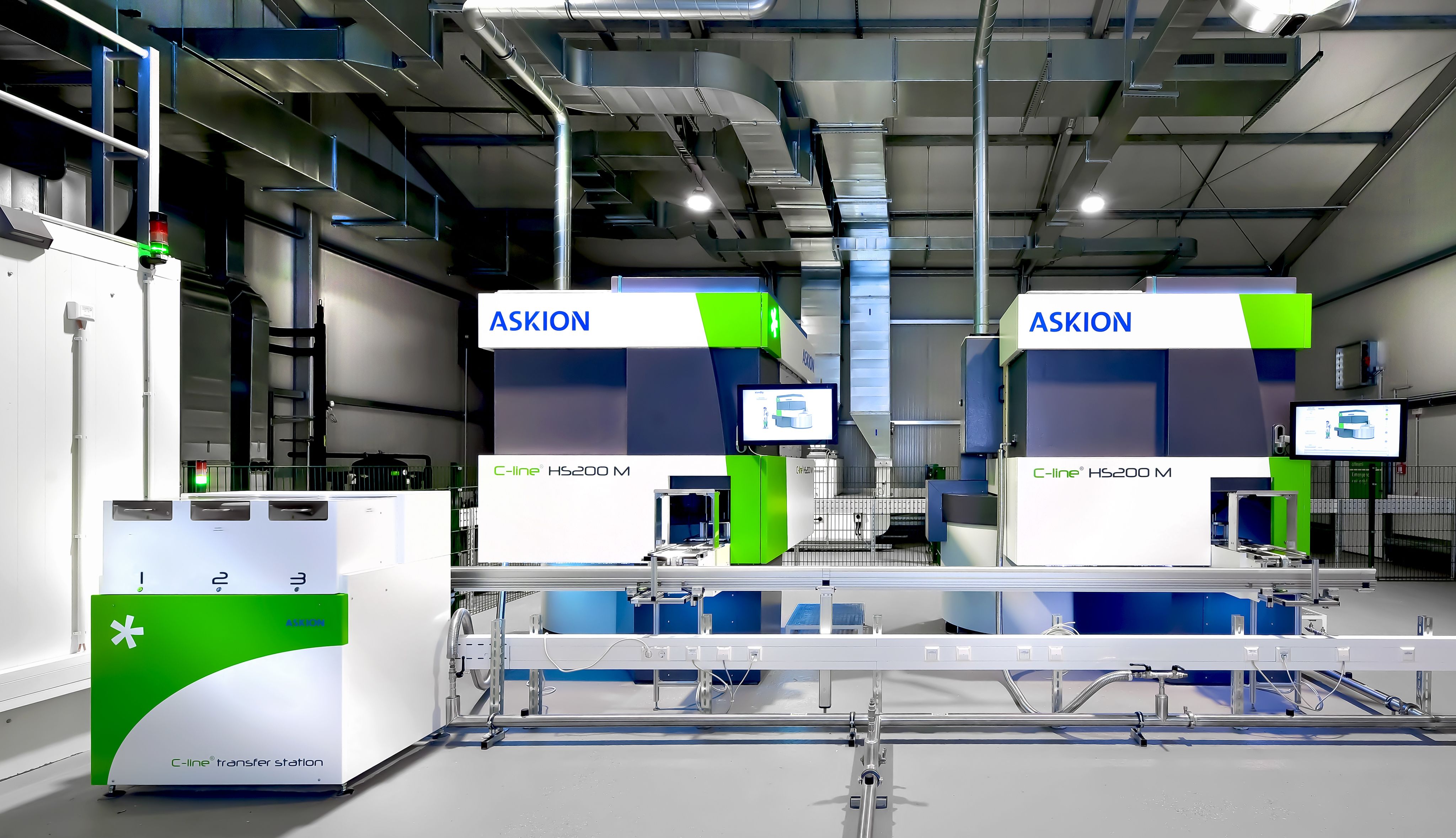
Lagerrobotik Askion
Lagerrobotik Askion


The Animal Model Sample Bank
While earlier stories focused on human samples, researchers at the Germans Trias i Pujol Research Institute (IGTP), part of BBMRI.es, are working on a cross-disciplinary approach at the Animal Model Sample Bank.

The work is driven by two closely coordinated teams. The Comparative Medicine and Bioimaging Centre (CMCiB) contributes expertise in animal models, overseeing donor identification and ensuring all procedures meet strict welfare standards. Once samples are collected, IGTP Biobank takes over, maintaining the samples’ high quality and ensuring they remain suitable for research.

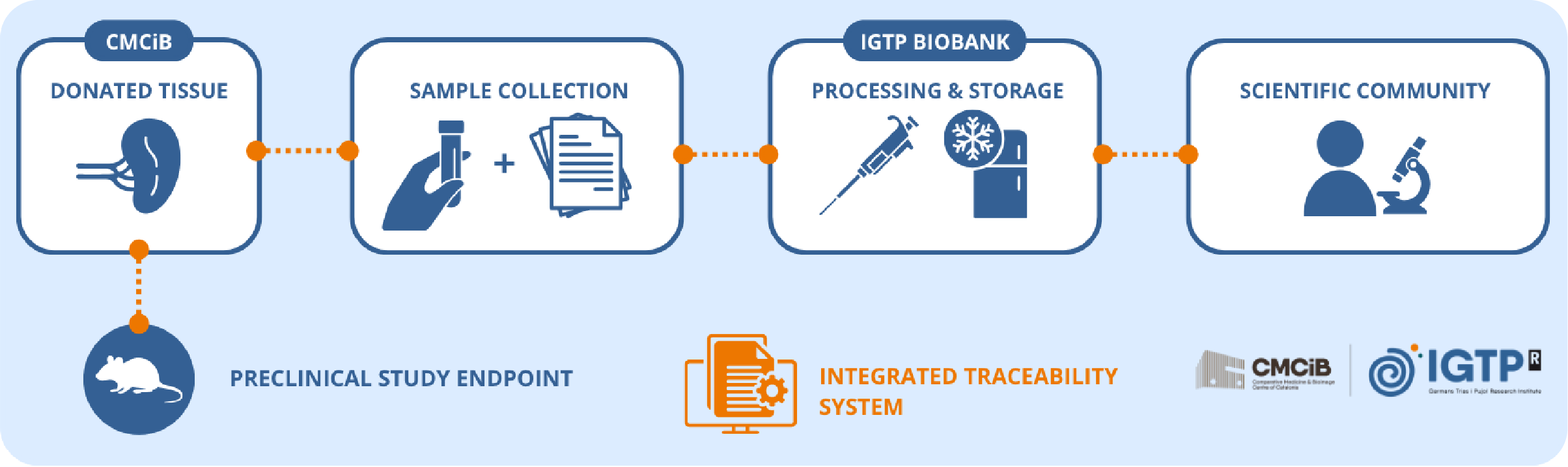
CMCiB-Biobank workflow infographic
CMCiB-Biobank workflow infographic
The impact of this resource is already evident with samples playing a key role for measuring immune responses in early work to develop treatments for chronic infections. Samples have also helped refine tissue-handling procedures, improving experimental consistency and reducing the number of animals needed in future studies.
Importantly, the project contributes to the 3Rs principle: Reduce, Refine and Replace. The creation of the Animal Model Sample Bank helps reduce the number of animals used in research by making use of surplus tissues that would otherwise go unused. This represents an important step toward ethical and sustainable research that directly enhances the quality of experimental results.
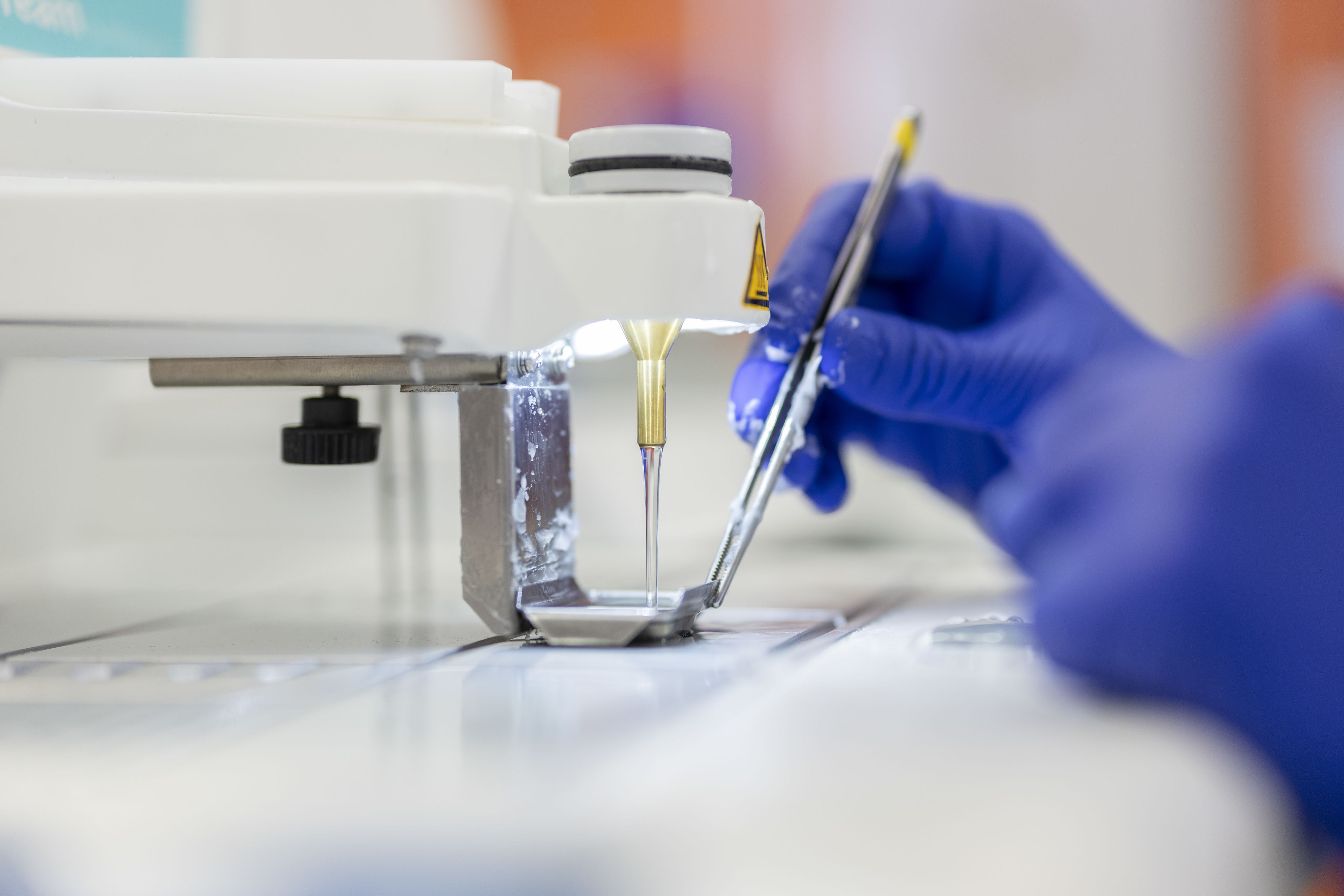
Explore the gallery below to view photos from CMCiB, IGTP Biobank and the biobank information management System (LIMS).
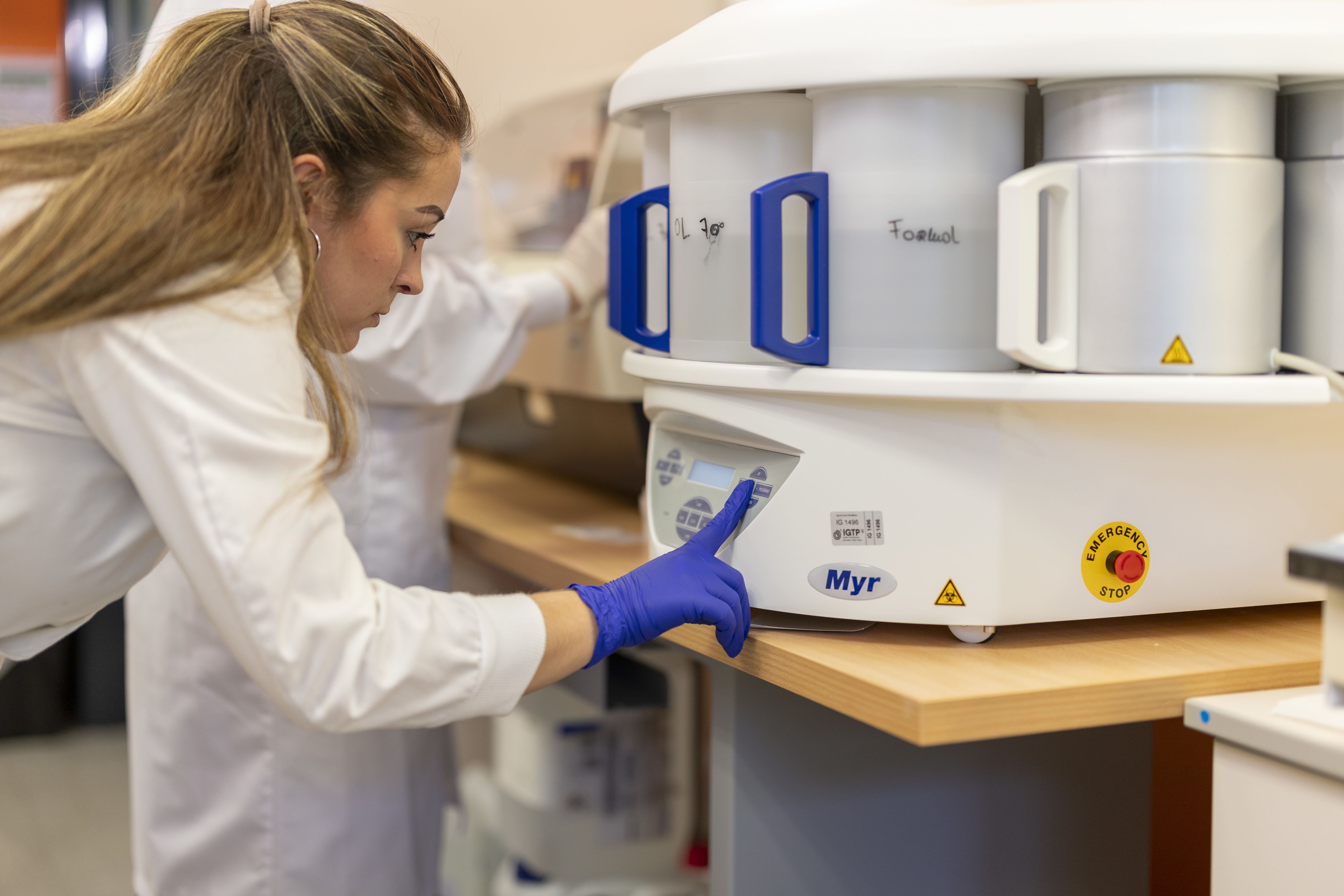
IGTP tissue processor
IGTP tissue processor
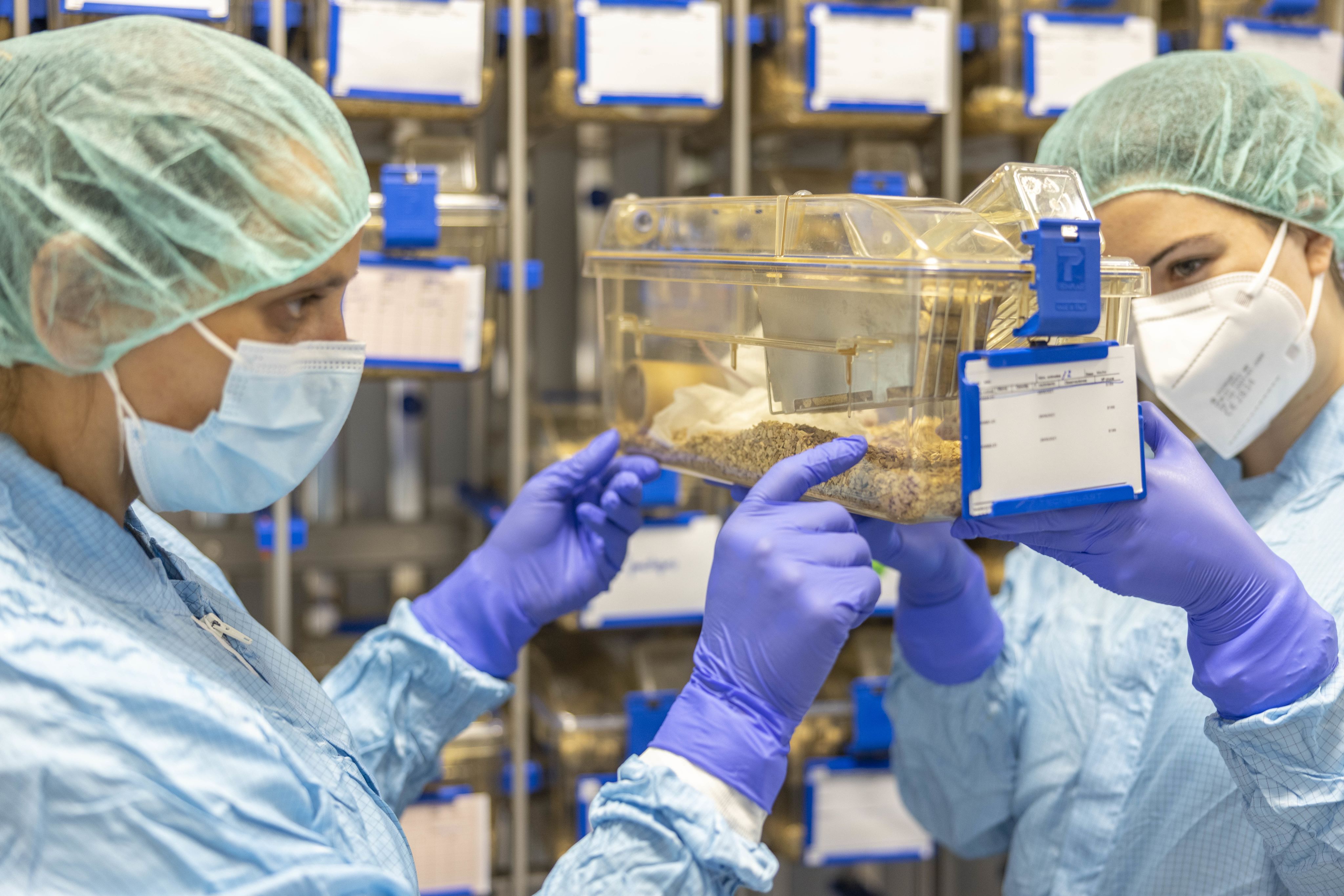
IGTP cage with animal ID
IGTP cage with animal ID
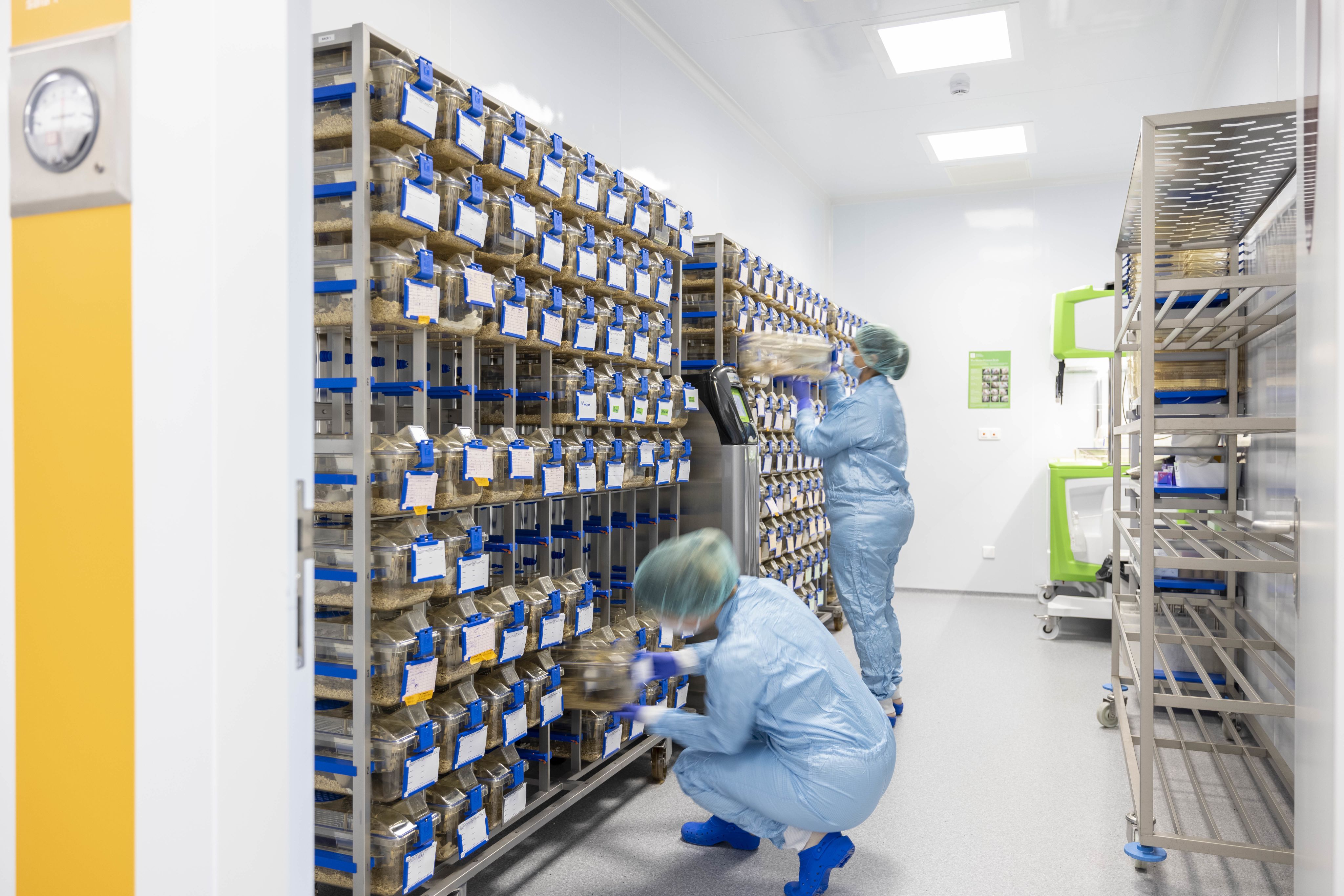
IGTP cage room at CMCiB
IGTP cage room at CMCiB
IGTP parafine
IGTP parafine
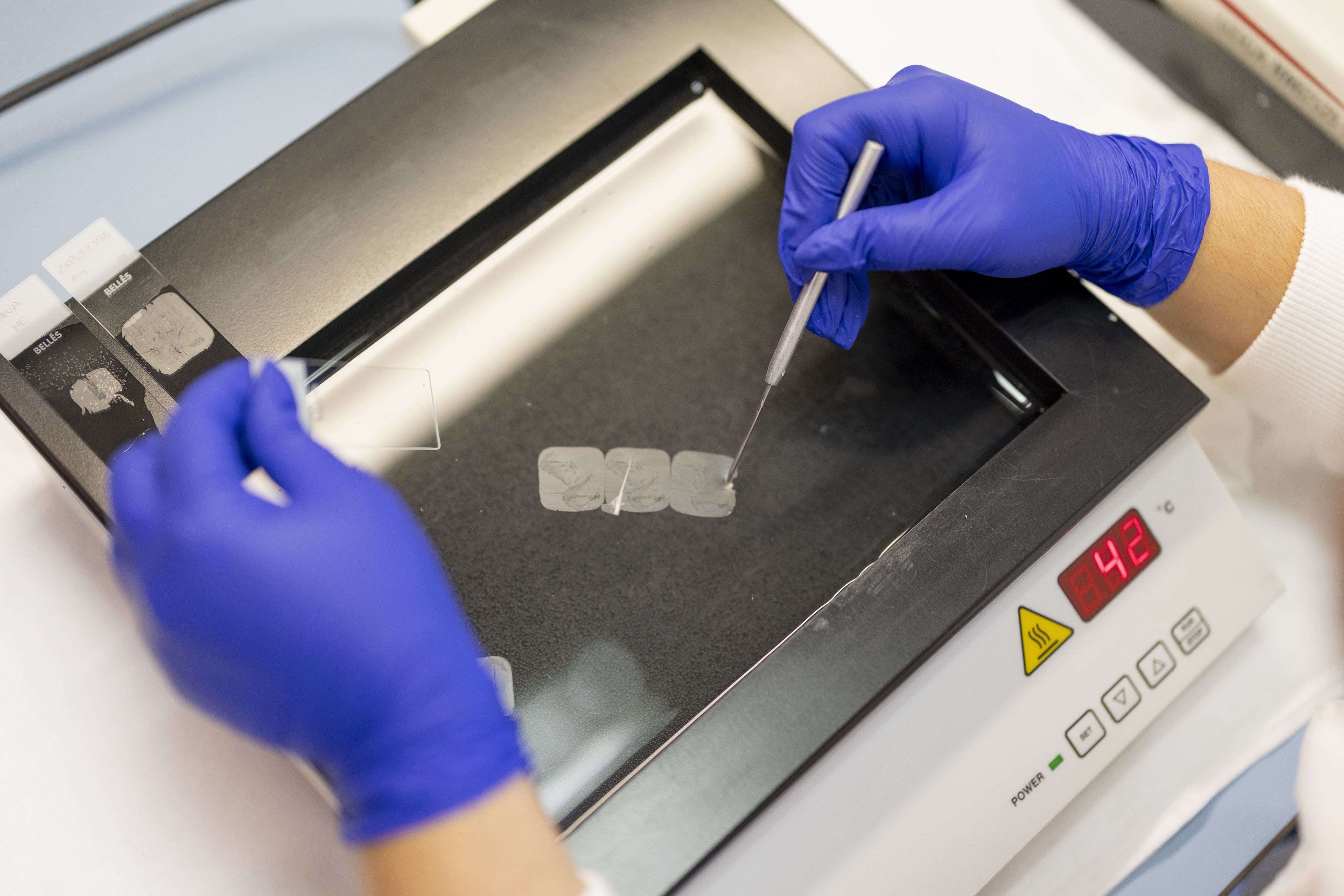
IGTP tissue sections
IGTP tissue sections
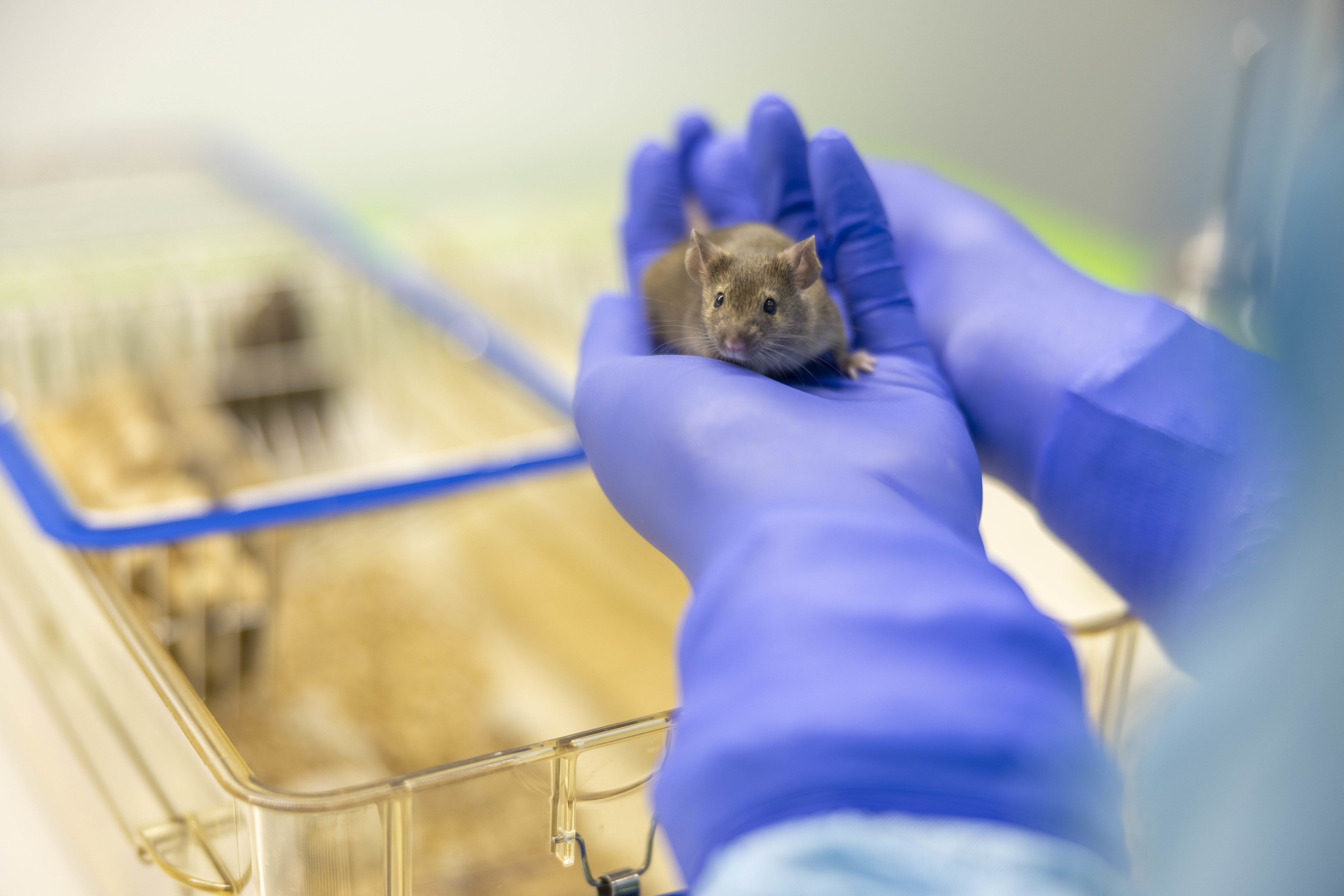
IGTP mice
IGTP mice
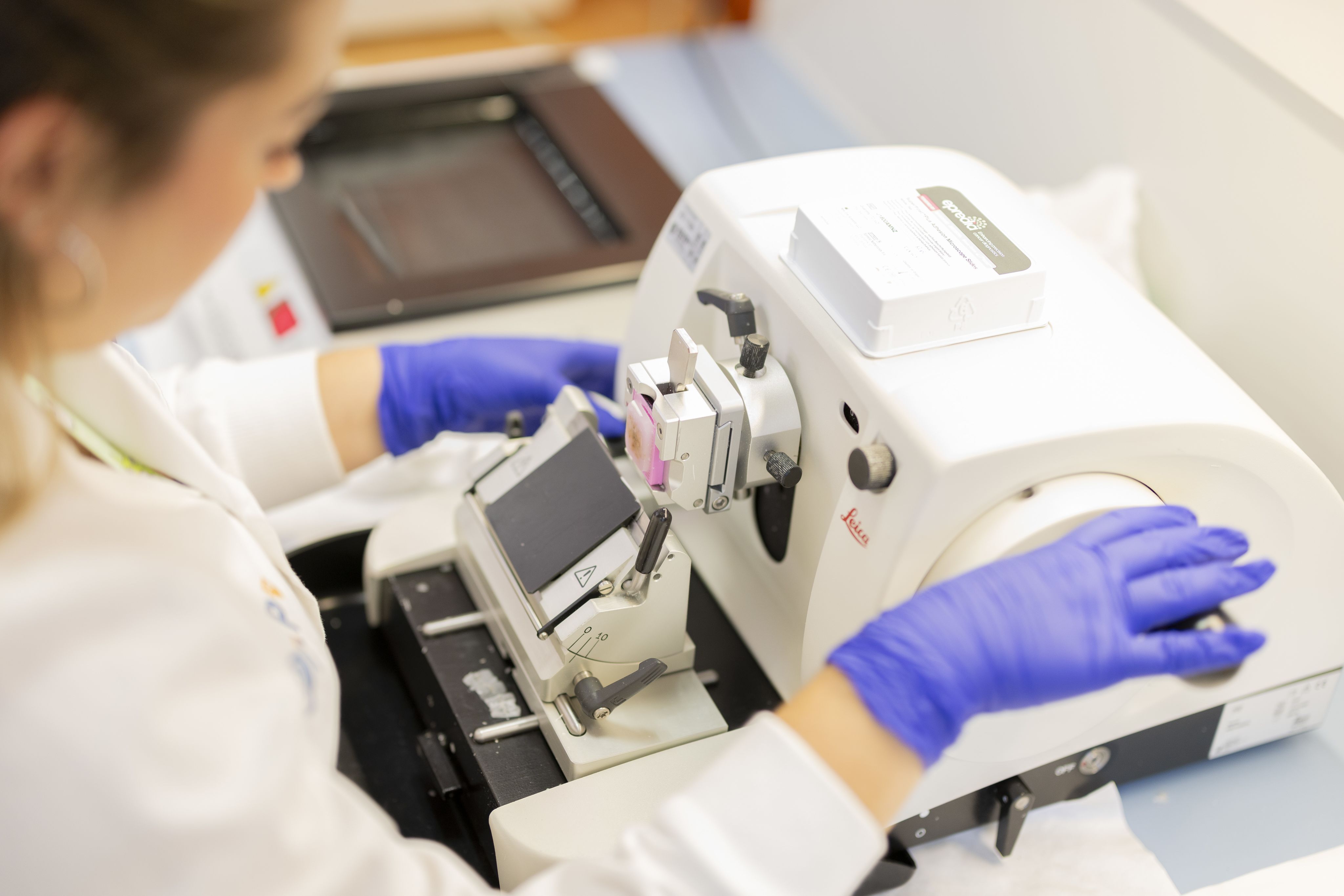
IGTP microtome
IGTP microtome


The RI-SCALE project – From data to impact
Our final story shifts the focus to the complexity of scientific data and highlights collaboration at the European level through the RI-SCALE project.


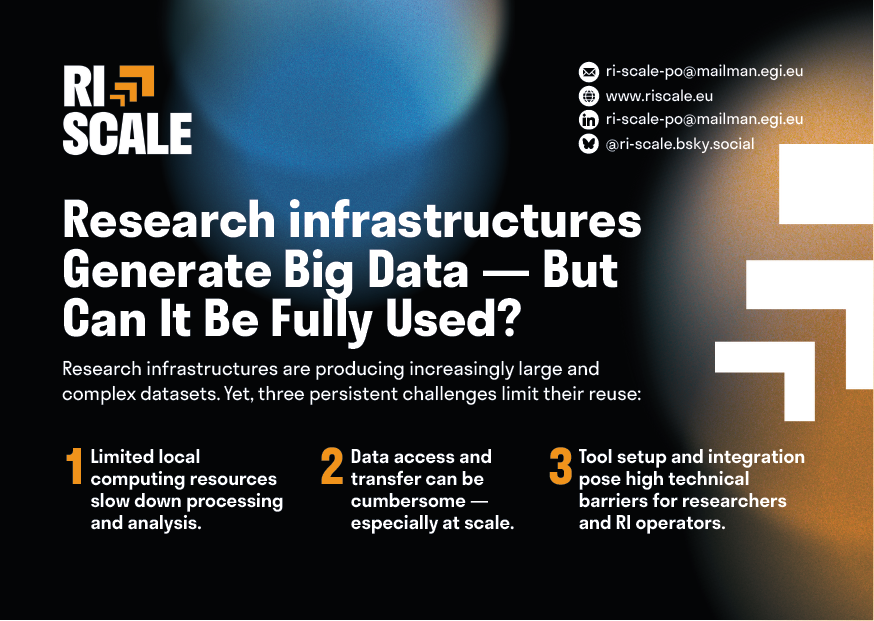
Science is generating more data than ever — but the gap between collecting raw data and generating meaningful insight from these data remains one of the biggest bottlenecks in research today. Giving scientists easy access to powerful data analysis tools can thus actively help them reach scientific breakthrough for the benefit of society.
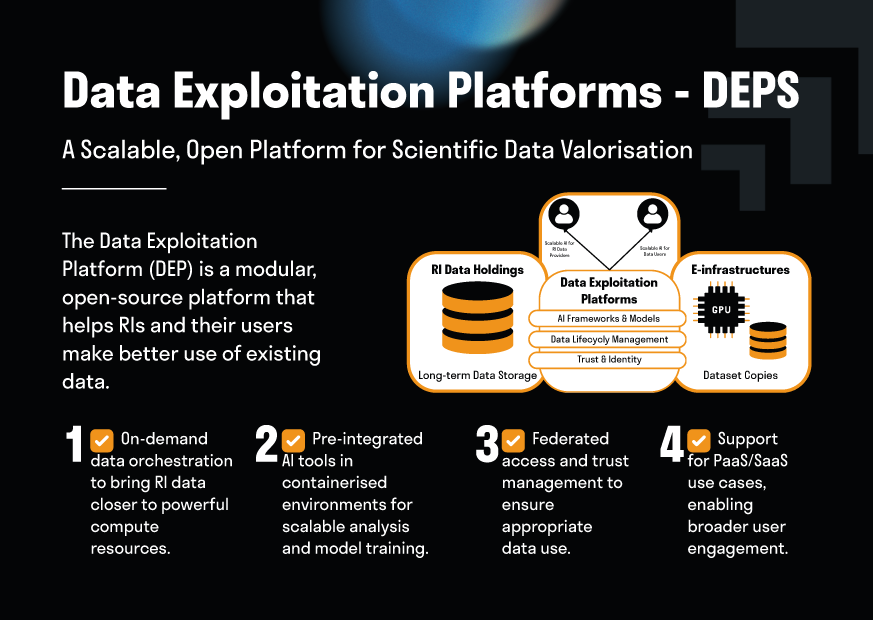
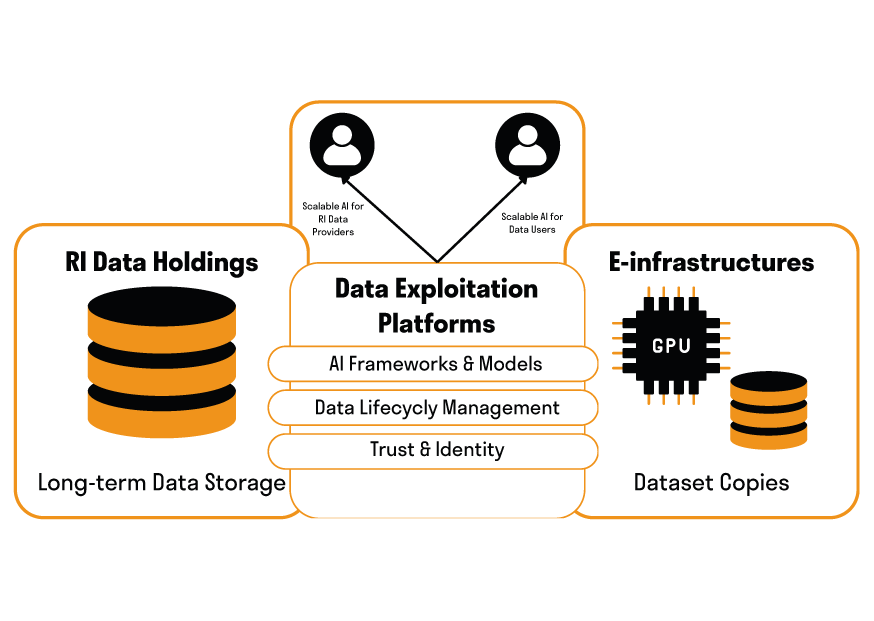
RI-SCALE is an EU-funded project working to close this gap. It builds so-called Data Exploitation Platforms (DEPs): environments where researchers can manage and analyse scientific data with state-of-the-art AI tools and powerful computing resources. These DEPs will help make scientific data more accessible and thus impactful.
The project involves four major research infrastructures (RIs): ENES, EISCAT, Euro-BioImaging, and BBMRI-ERIC. Together, they test these platforms across environmental and life sciences. The first DEP release is already live, being validated across real-world scenarios from climate science to computational pathology. You can find more details about the DEPs in the slideshow below and here on the RI-SCALE website.
The project also supports #TogetherForScience through university and industry partnerships, training events, and sustainable operational models to increase the adoption of AI technologies across additional RIs.
The mission of this project is clear: give scientists the tools they need to transform data into benefit for the society.







Thank you for joining us.
The stories shared by the BBMRI-ERIC community reflect the dedication of countless individuals and organisations working across health research, policy, education and advocacy.

This story was made possible thanks to the BBMRI-ERIC community, in particular staff at BBMRI.cy, BBMRI.de, BBMRI.es, BBMRI.lt and RI-SCALE.
Explore our previous multimedia stories, for e.g., World Cancer Day 2026 or World Health Day 2025 here.
 Built with Shorthand